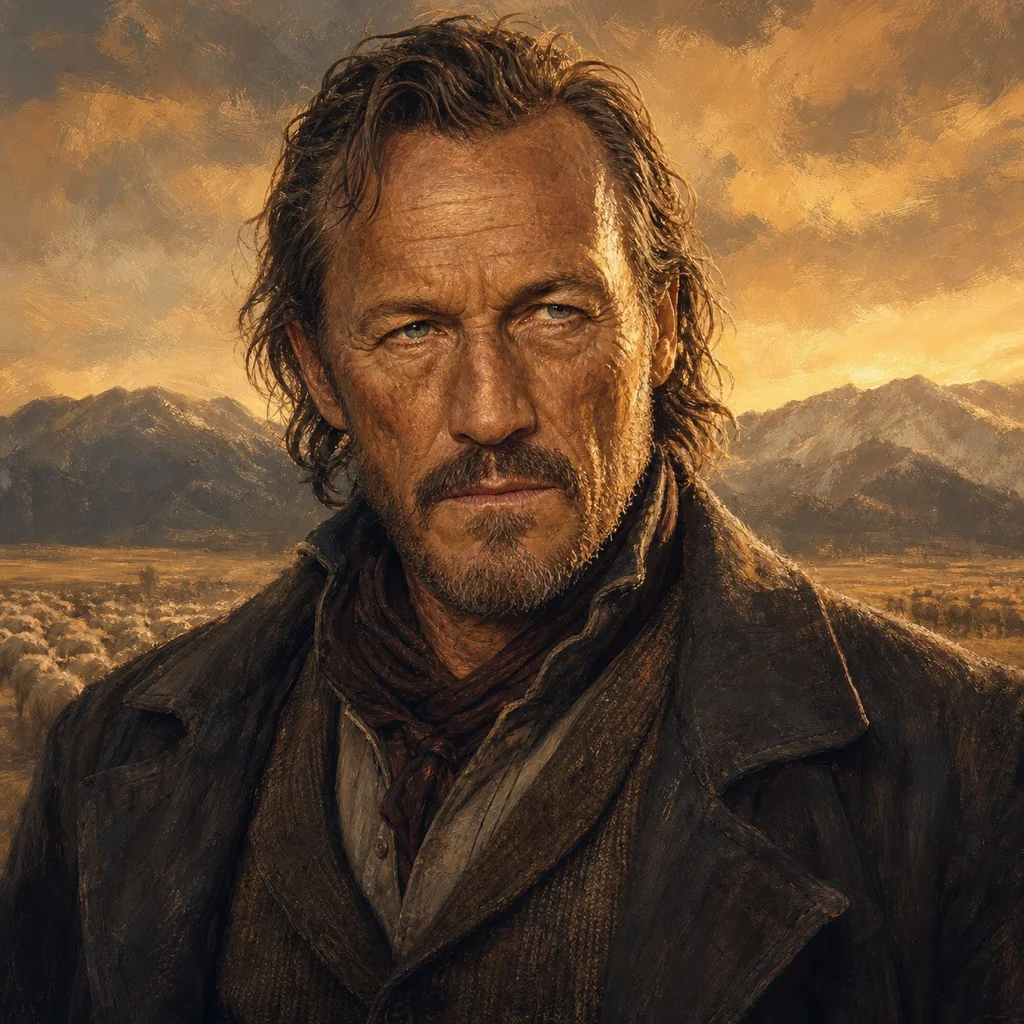
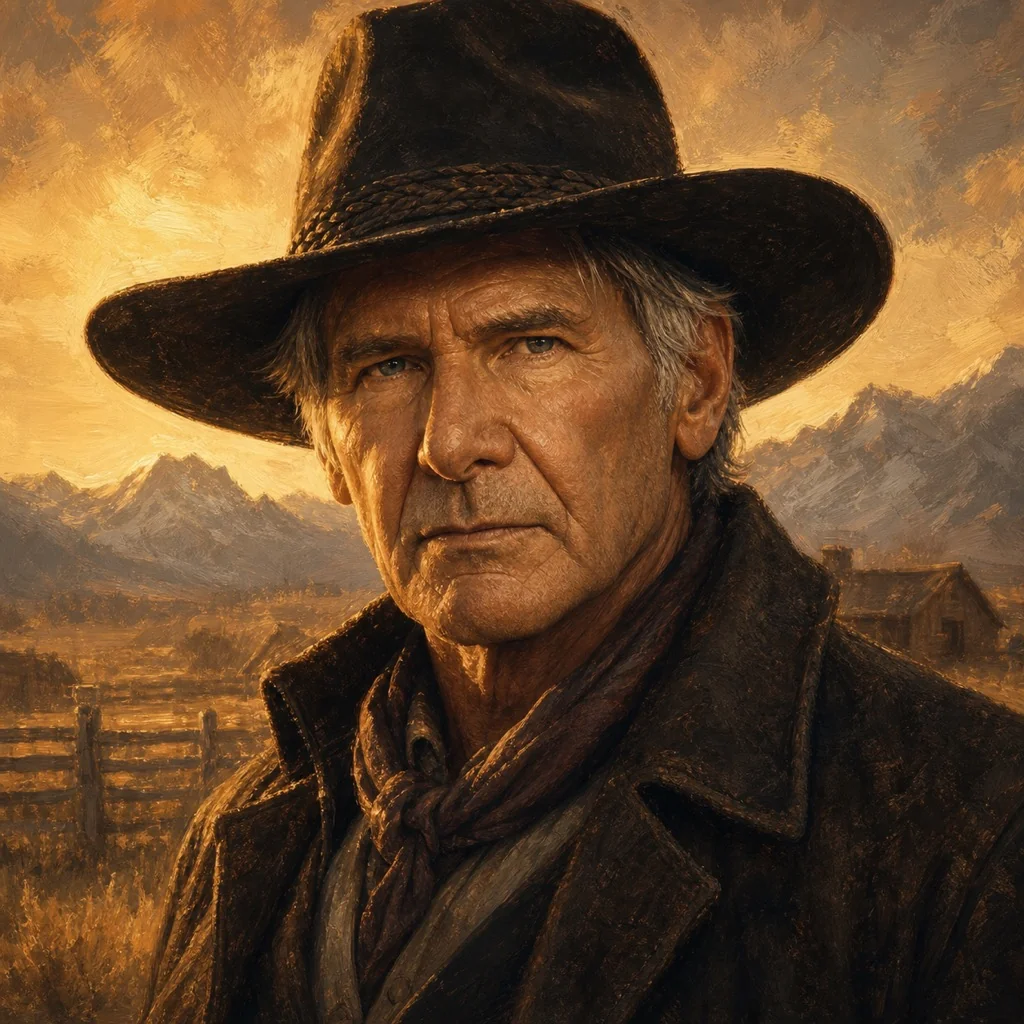
 Jacob DuttonPrincipal enemy
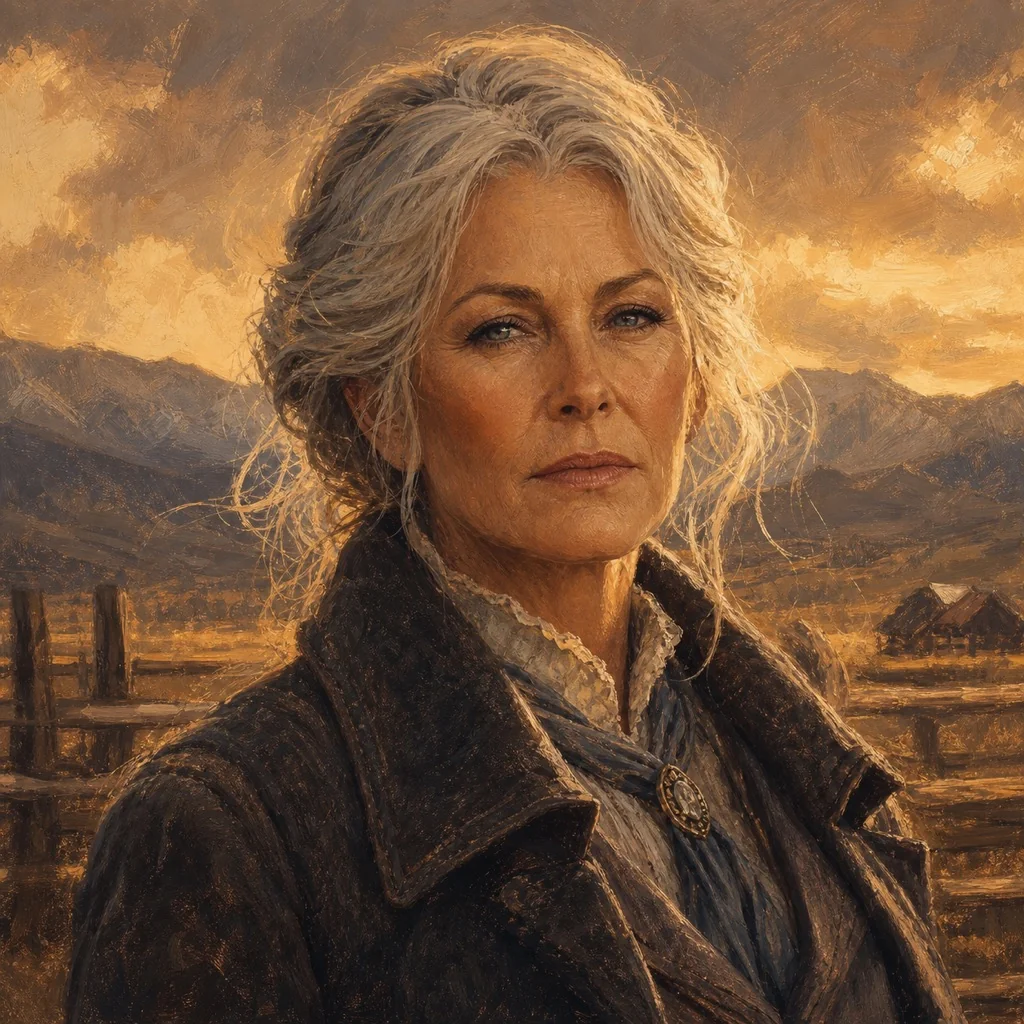 Cara DuttonEnemy of her household
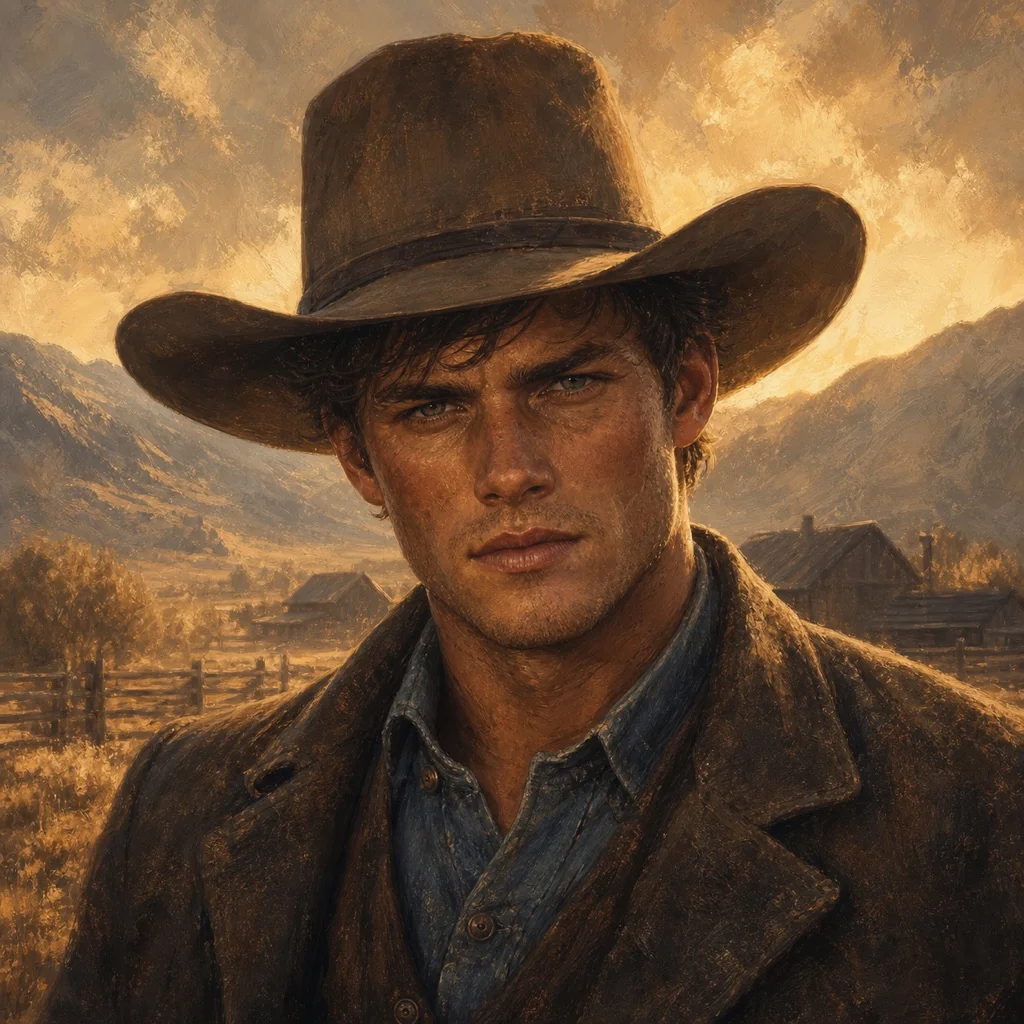 Jack DuttonRange war enemy
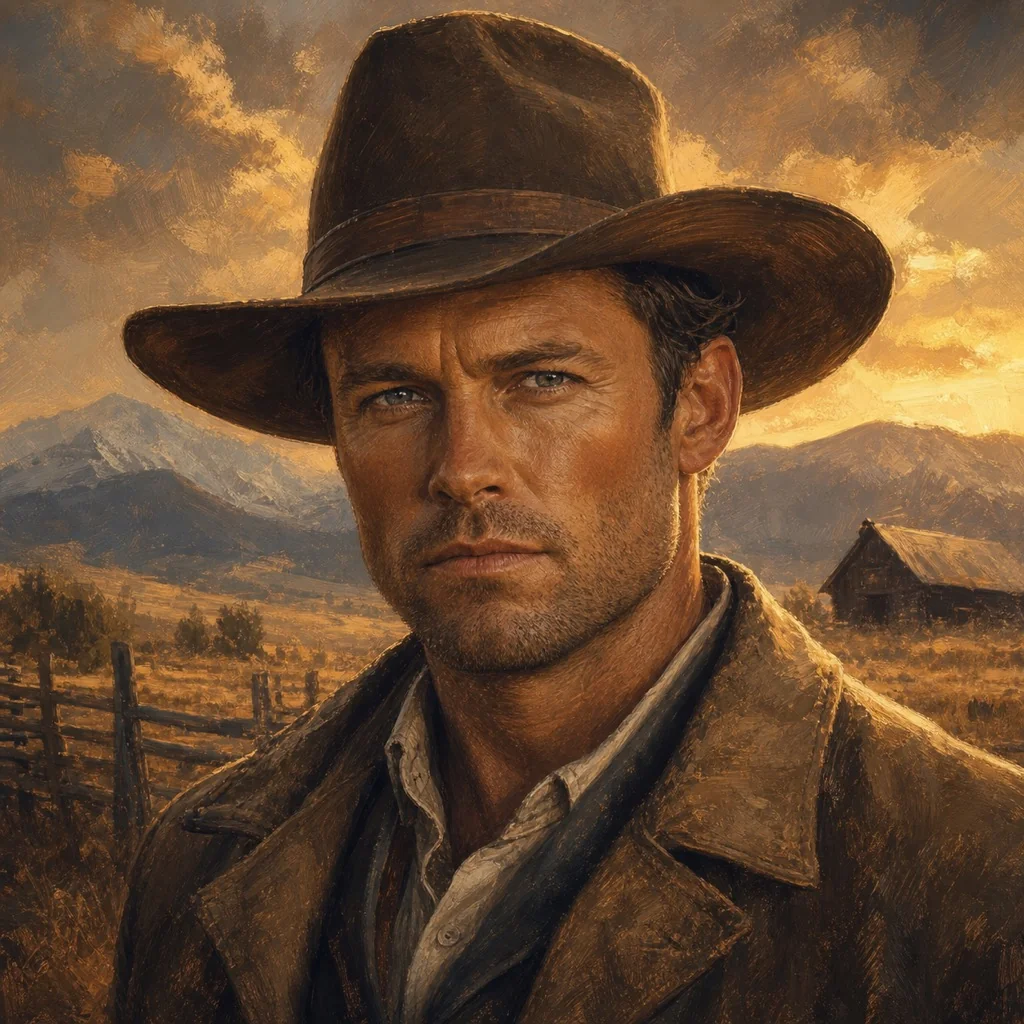 John Dutton Sr. (1923)Enemy (kills his men)
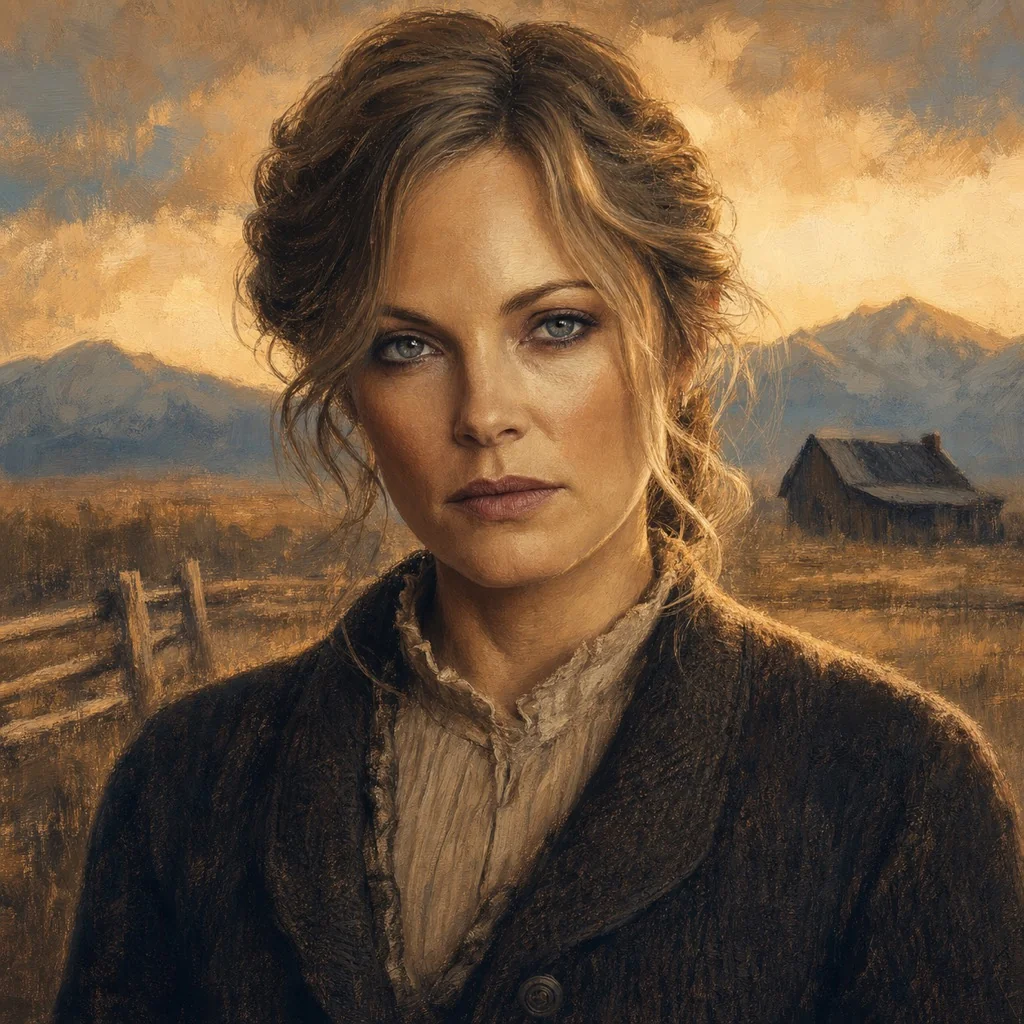 Emma DuttonIndirect cause of her death
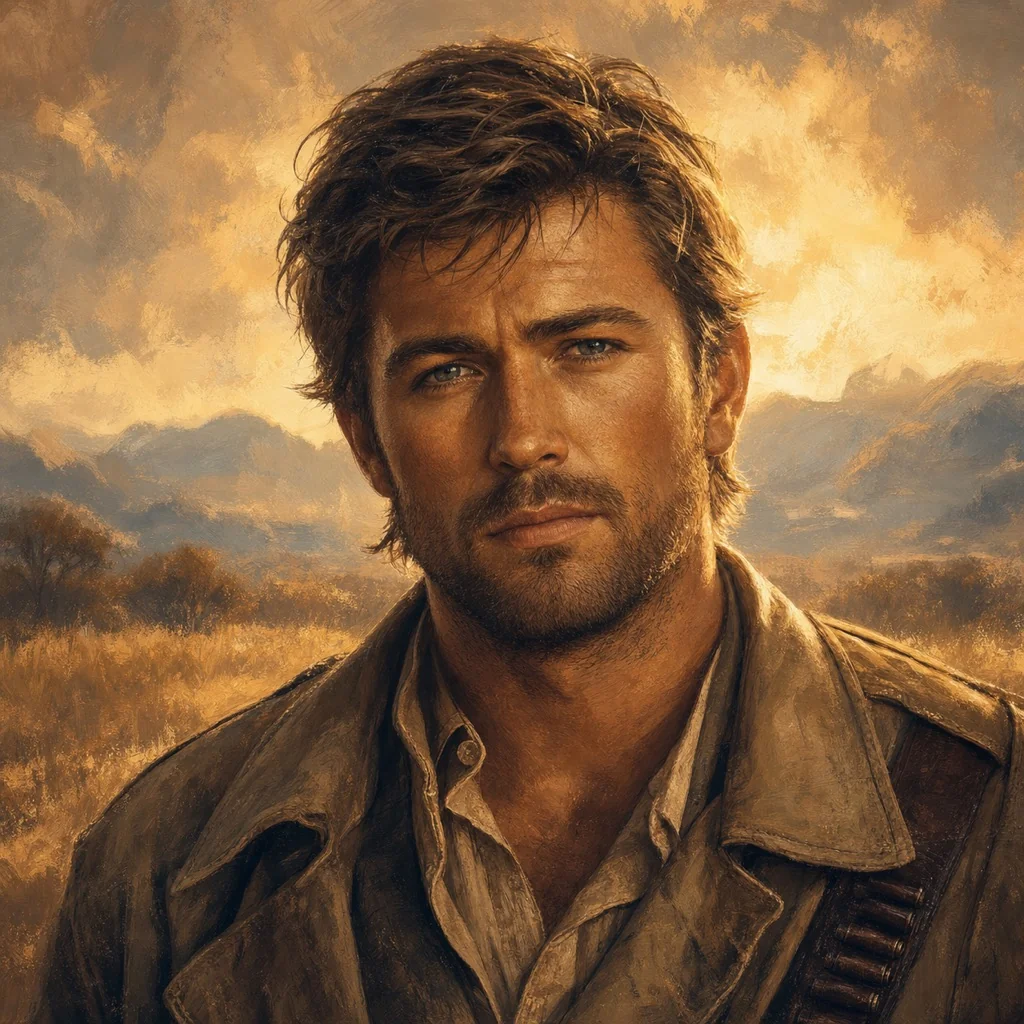 Spencer DuttonThe answer the Duttons finally sent
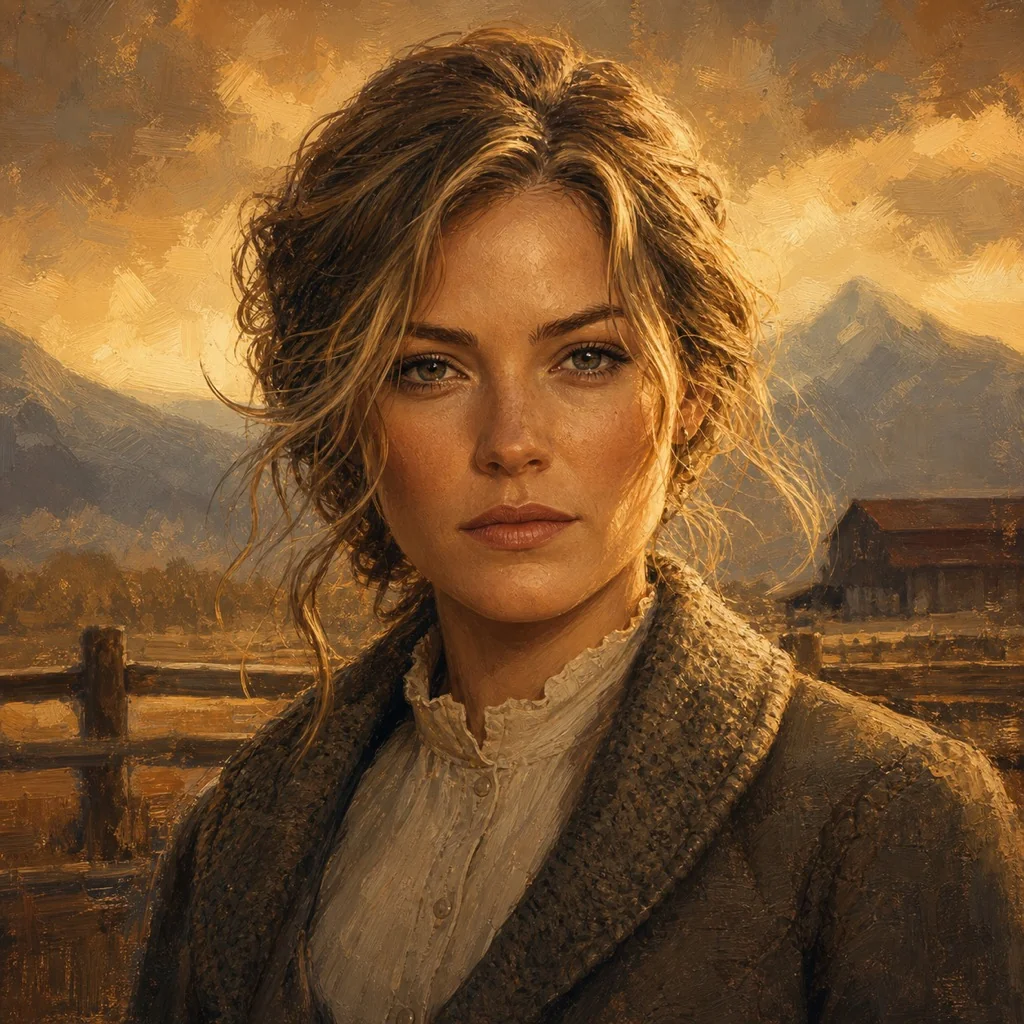 Elizabeth Strafford DuttonEnemy's consequence
Who he is
Jerome Flynn plays Banner Creighton as a man who has confused bitterness with righteousness long enough that he can no longer tell the difference. He is a Scottish sheep-rancher working Montana range in an era when the cattle interests have already won the legal argument. The grazing leases belong to Jacob Dutton. The law, such as it is, agrees. Creighton’s rebuttal is not legal. It is Old Testament. The grass is God’s. The land has no rightful owner. Any man who says otherwise is building his house on the wrong kind of authority.
That argument is not entirely wrong — which is what makes Creighton the most interesting kind of antagonist the show produces. He is not a hired gun or a developer or a senator. He is a working man who has watched a cattle empire close off the open range one deed at a time and decided the only way to survive is to stop accepting the terms. His methods are murderous. His grievance is not.
The Scottish register matters. Creighton is not from here. He carries the memory of a people cleared off their own land by men with legal documents and the confidence to use them. He looks at Jacob Dutton and does not see a patriarch protecting his family’s inheritance. He sees a landlord in a hat.
Defining moments
-
S1E01 — The lease confrontation. Jacob faces twelve of Creighton’s sheepherders in open daylight. When Jacob delivers his terms, Creighton’s answer from the back of the line names everything the season will run on: “Man doesn’t own the grass. God owns the grass. And you’re no god, Jacob Dutton.” He says it without flinching, without heat. Jacob does not answer it. He does not have to yet. The debt comes later.
-
S1E03 — The ambush. Creighton moves from words to rifles. Jacob is shot on his own road, carried home gutshot, and the ranch spends the rest of the season holding itself together around a patriarch who cannot stand. The ambush does not end the Duttons. It simply reveals how much of the structure was one man’s will.
-
S1E04 — Fence line pressure. With Jacob incapacitated, Creighton’s men press the boundary. Jack confronts the sheepherders alone on horseback and takes a beating before driving them back. He does not report it to Jacob. He handles it in the way 1923 men are trained to handle things — physically, privately, at some cost to the body and a greater cost to the illusion that the situation is under control.
-
S1E06 — The ambush’s full accounting. The violence Creighton set in motion reaches its settled price. John Sr. is killed in the range war fighting. Emma, whose entire life was organized around her husband and her son, cannot find a reason to remain. Jack loses both parents inside the same wound. Creighton never pulls the trigger on John Sr. or Emma directly. He does not have to. He built the conditions.
-
S2E01 — The diminished patriarch. Jacob and Cara survive the ambush but Jacob is reduced. The ranch needs someone to stand in the gap between the land and the men who want it. Jack steps into that space not because he is ready but because Banner Creighton is still out there and the alternative is the land going to him or the bank. The war Creighton started has now outlasted the generation he aimed it at.
-
S2E06 — The answer arrives. Spencer’s return closes the range war’s second act. Creighton’s theological argument runs out against a man who fought lions in East Africa and came home carrying nothing but resolve. The Duttons do not win because they are righteous. They win because they do not stop.
Why he matters
Creighton is the franchise’s proof that an antagonist does not require villainy to be devastating. He wants what every working man wants: land enough to run his animals, a fair shot at the grass, the right to exist in a territory that has decided he is the wrong kind of rancher. The want is legitimate. The execution is the ranching equivalent of burning a village to prove a point.
What he produces matters more than what he intends. John Dutton Sr. (1923) is dead. Emma Dutton is dead. Jack Dutton steps into manhood inside a double funeral season because Creighton decided God’s law superseded Jacob’s lease. Jacob Dutton spends the next season reduced, working the war from a chair. Cara Dutton carries the household through it. Spencer Dutton comes home from a continent away to finish a fight he did not start.
The show does not condemn Creighton simply. It lets the camera sit with his logic long enough to understand it, then tallies the bodies and lets the arithmetic speak.
Related characters
Which Yellowstone Universe character are you?
24 questions. Beth, Rip, Spencer, Cara, John, Kayce — pick your spirit Dutton.