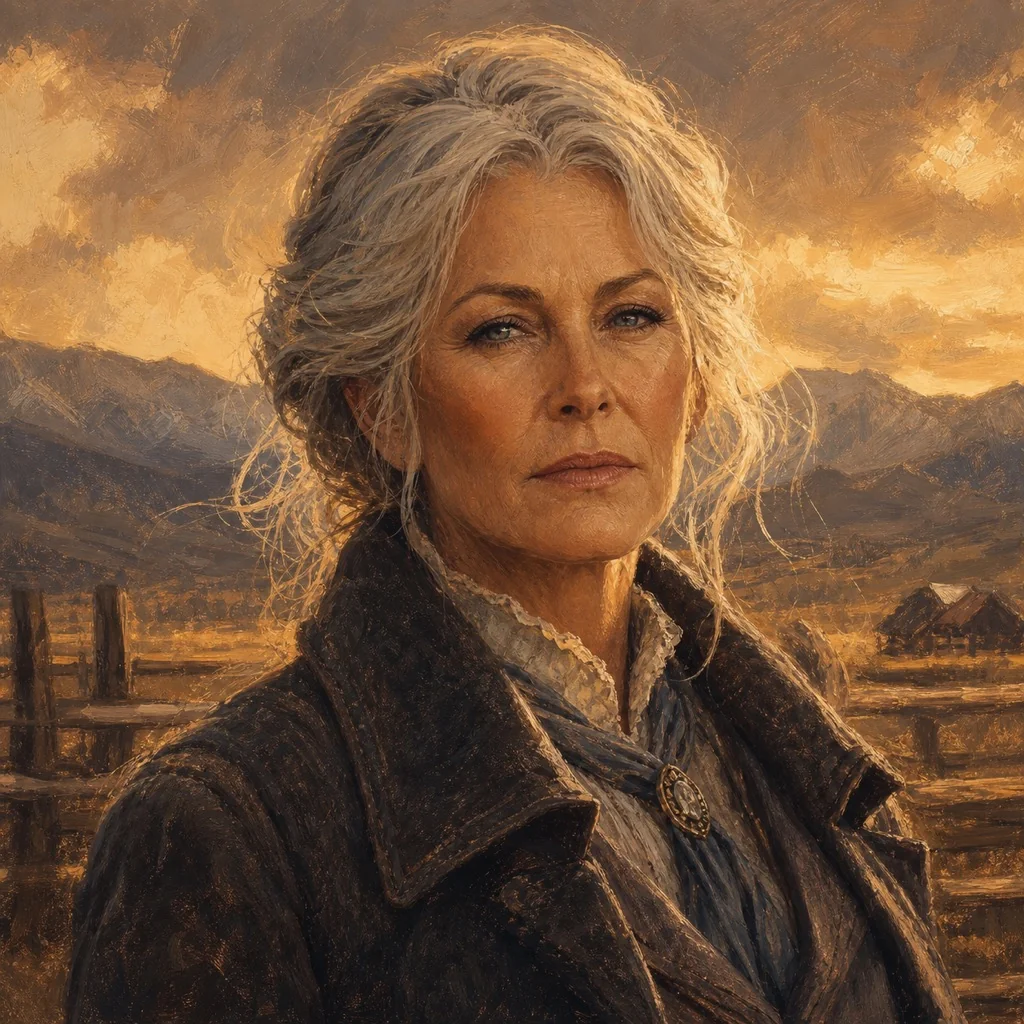
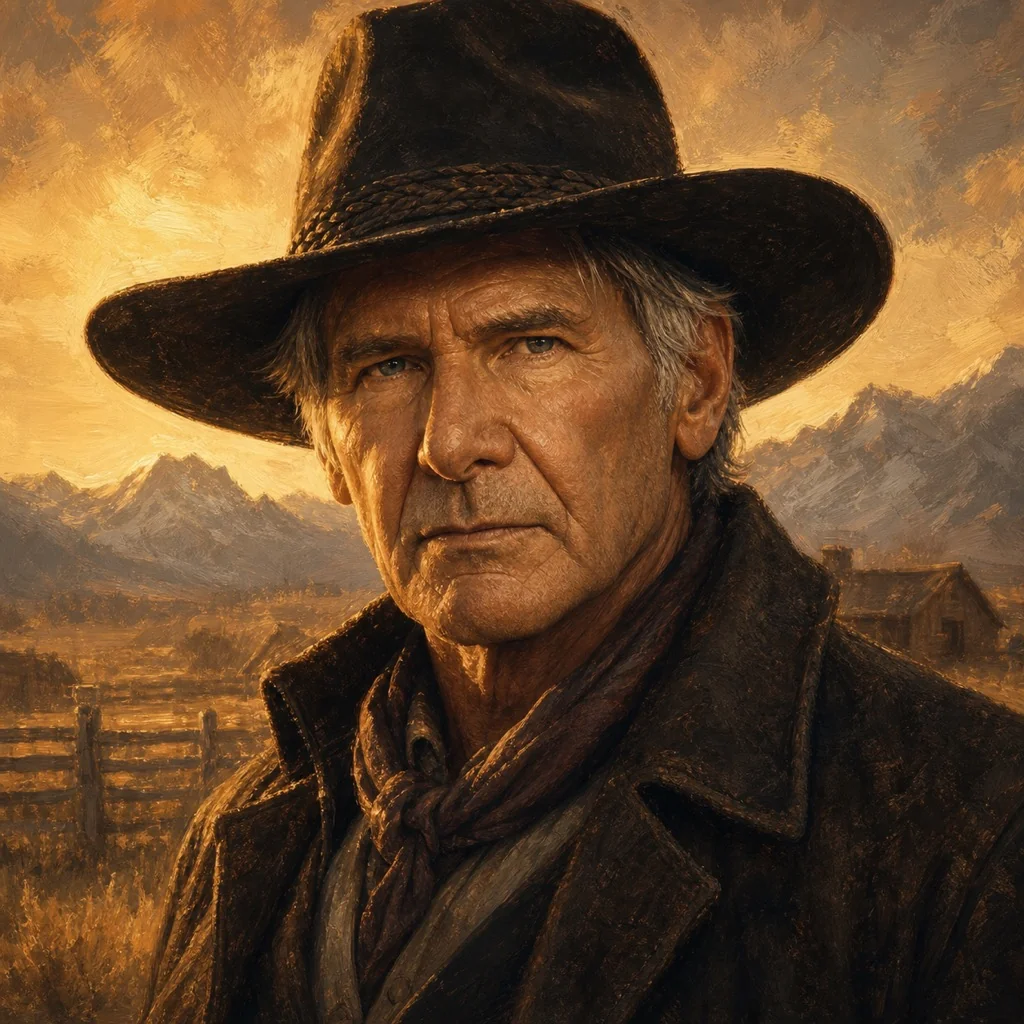
 Jacob DuttonHusband
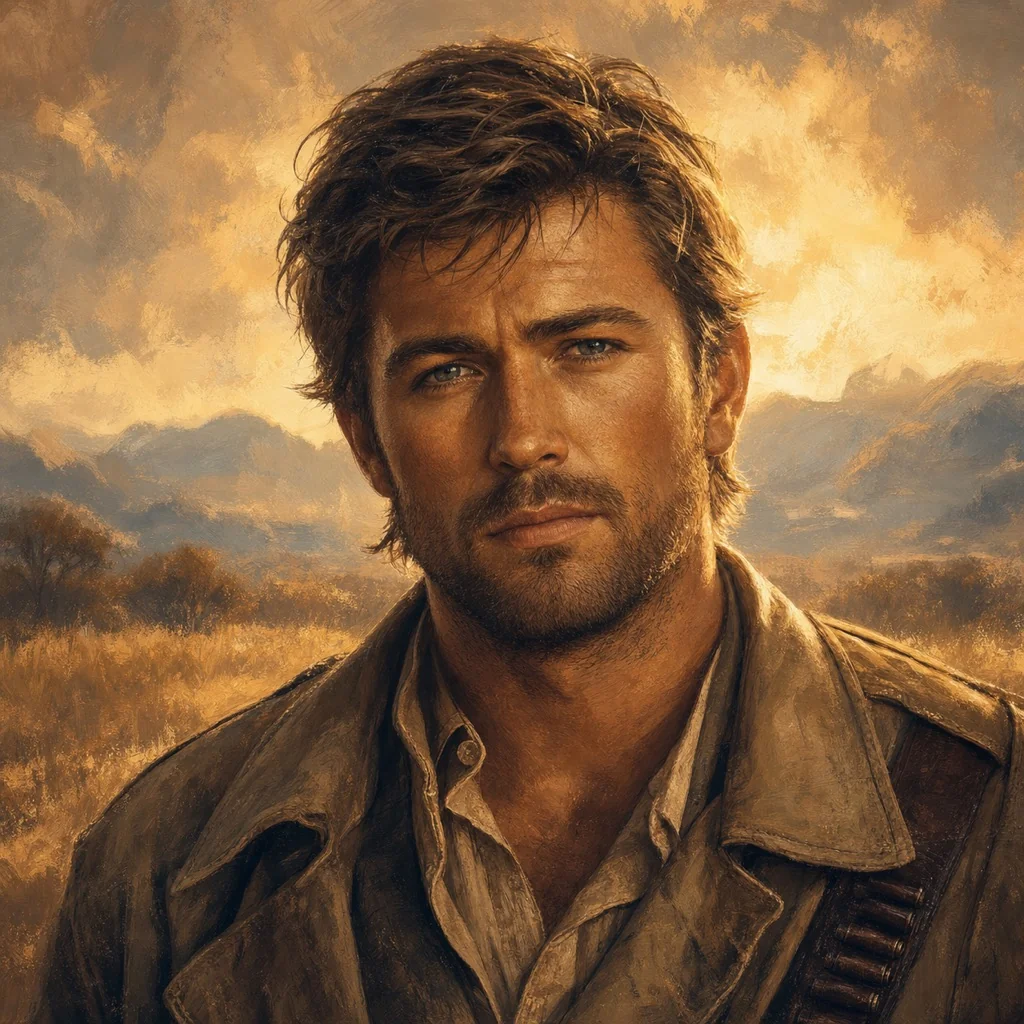 Spencer DuttonNephew — the one she writes to
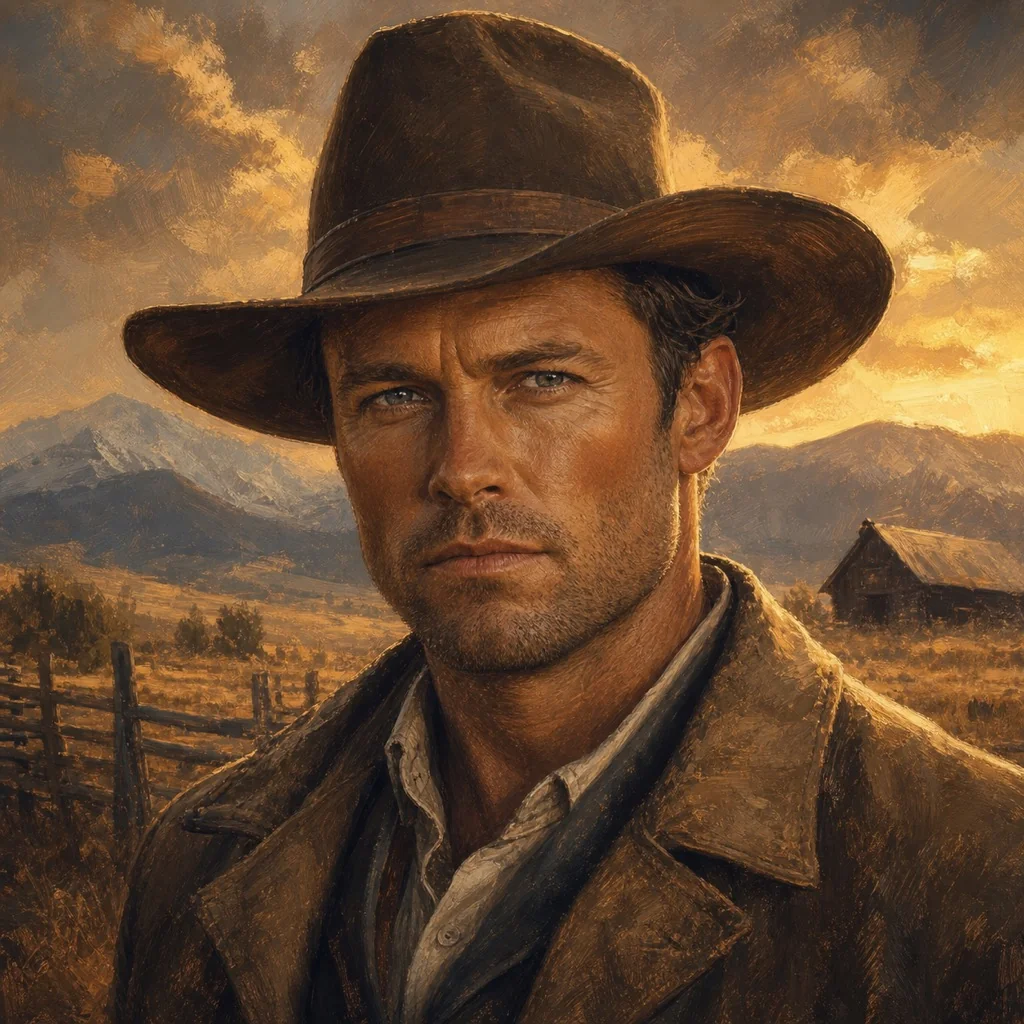 John Dutton Sr. (1923)Nephew (deceased)
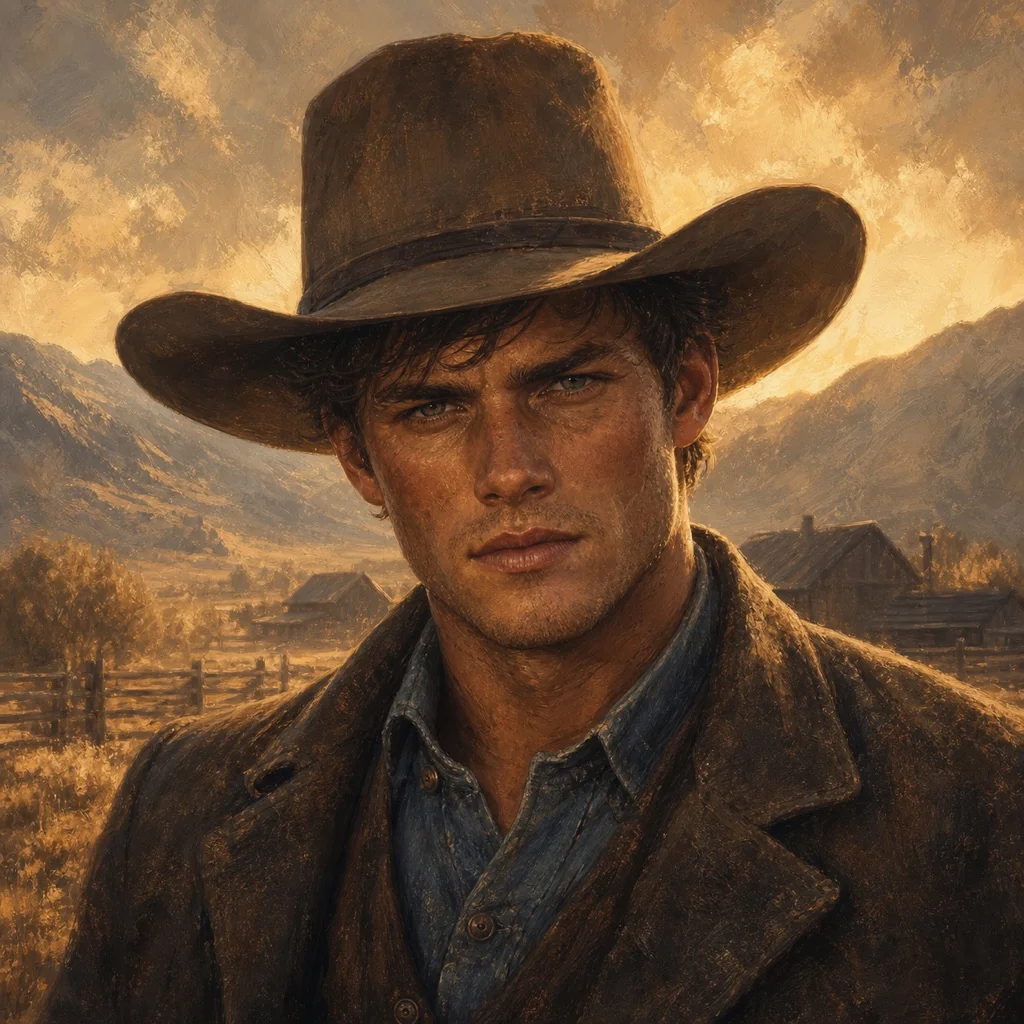 Jack DuttonGrand-nephew
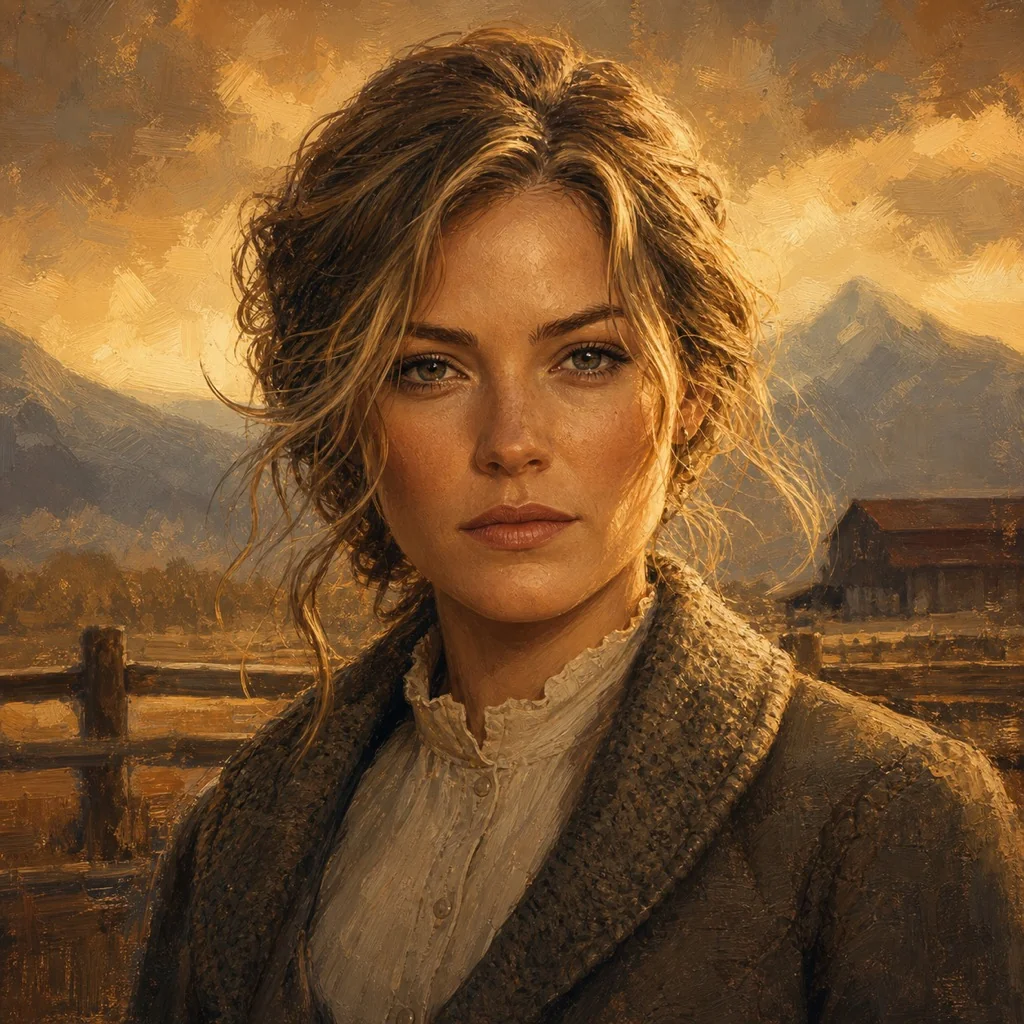 Elizabeth Strafford DuttonJack's wife — inherited charge
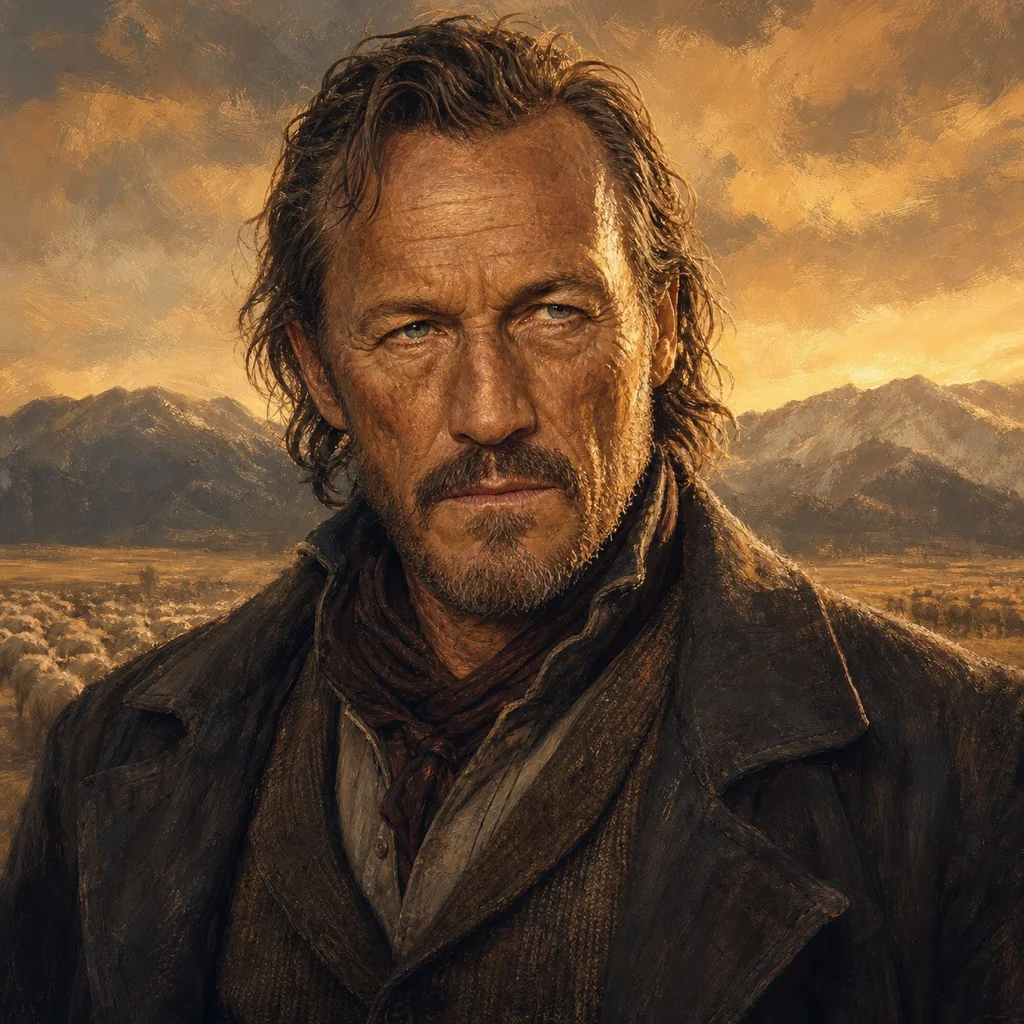 Banner CreightonInstrument of ruin
 Alexandra DuttonSpencer's wife — letter's other reader
Who she is
Helen Mirren plays Cara as the load-bearing wall of the 1923 household — not the one who fires the opening shot, but the one who was already loading the rifle when the riders crested the hill. She runs the women’s auxiliary vote, writes letters to a nephew the war may have already consumed, and stands in the doorway when her husband is carried home with his blood leaving faster than his will to stay. The character asks what it costs to keep a family from dissolving when every external force — drought, sheepherders, the federal government, sheer distance — is working toward that dissolution.
Cara does not manage the ranch the way a man manages it. She manages the people the ranch is killing. That is a different skill, and a harder one, and the show understands the difference.
Defining moments
-
S1E01 — The first letter. Cara narrates her writing to Spencer in Africa, with Jacob and his men in a standoff with Banner Creighton’s gang visible just beyond the window she watches from. She speaks into the distance: “I can’t help but think your absence is punishment, that somehow we are the reason you won’t return.” The rifle is on the table. The ink is still wet. The camera does not make a metaphor of this — it simply shows what her mornings look like.
-
S1E04 — “The ayes have it.” Chairing the cattlemen’s auxiliary meeting while Jacob handles the physical war, Cara puts the dues increase to a vote and closes it with parliamentary precision: “The ayes have it. Proposal is approved.” It is the least cinematic moment in the episode and one of the most revealing. She does not ask for a show of hands. She already knows the room.
-
S1E04 — The letter over the battlefield. Writing to Spencer during his World War I tour — the show cuts between her voice and artillery fire — Cara names what she fears more than his death: “I wait desperately for that boy to return. And I pray you bring that beautiful smile with you. It is my sunrise, and I miss it with all my heart.” The tenderness is exact and unsentimental. She is not performing anguish. She is making a record.
-
S1E06 — “Absolutely nothing.” A lawman asks what a woman could know about selecting men for a dangerous job. Cara does not soften it: “Absolutely nothing. But I know men.” She fills the three positions before he finishes objecting. Not a triumph — the obvious minimum.
-
S1E06 — Confronting Jacob’s vengeance. Jacob wants to put the bullet in Banner himself rather than wait for morning and the sheriff. Cara blocks him in the yard: “How dare you give your back to me? After all I’ve given to you.” She names it for what it is: not justice, pettier than justice. He listens. He usually does, which is partly why the ranch still stands.
-
S1E03 — Jacob carried home. When Jacob is brought back gutshot from Banner’s ambush, Cara is the first one to him and the last one asked to leave the room. The line she speaks over him — “You’re still talking. You’re still breathing. I’ll not quit.” — is not addressed to the doctor. It is addressed to him.
-
S2E01 — Summoning Spencer. Season two opens with Cara’s voiceover pulling Spencer back across the Atlantic before a word of plot is spoken: “Spencer, this ranch and your legacy are in peril. You must come home and fight this war.” She has been writing these letters for years. She still believes he will come.
-
S2E07 — Fighting for the house. Near the season’s climax, with men moving on the property and the darkness past the treeline not yet resolved, Cara takes a position with a shotgun and speaks aloud to whatever is out there: “Come on. Show yourself.” No panic. No prayer. An accounting.
Why she matters
Cara carries the institutional memory of the ranch across a decade when men keep dying or leaving and the ledger of what the land was founded for has to be rewritten every year. She is the one Jacob tells things to, the one Spencer writes toward, the one Jack and Elizabeth turn to when everything senior to them is gone. The 1923 story could have given her a subplot. Instead it gave her the connective tissue — the letters, the votes, the loaded rifles, the midnight vigils that never make it into the official account of who built what.
What the letters reveal is that Cara has always understood something the men around her are still learning: the ranch is not a thing to be won. It is a thing to be sustained. Winning looks like a gunfight. Sustaining looks like her handwriting, moving by lamplight, asking someone far away to please come home.
Which Yellowstone Universe character are you?
24 questions. Beth, Rip, Spencer, Cara, John, Kayce — pick your spirit Dutton.