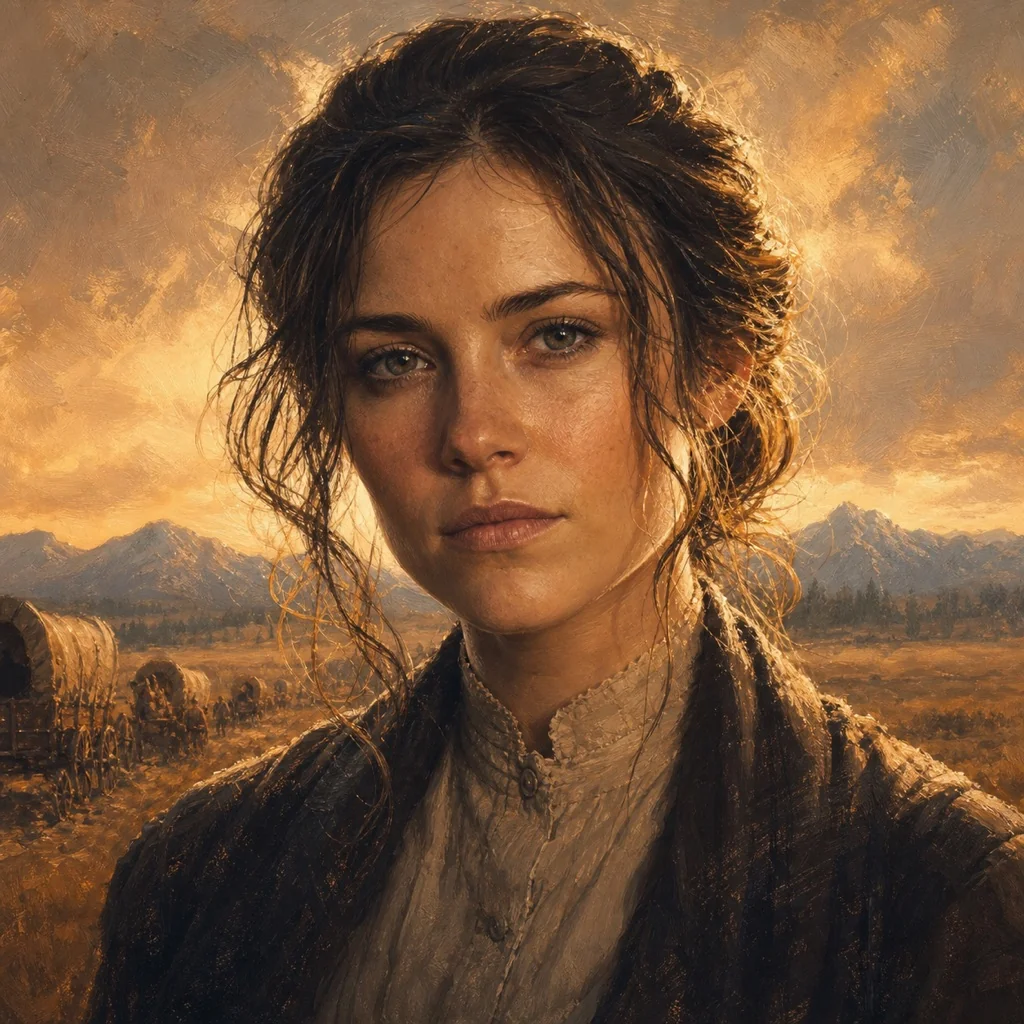
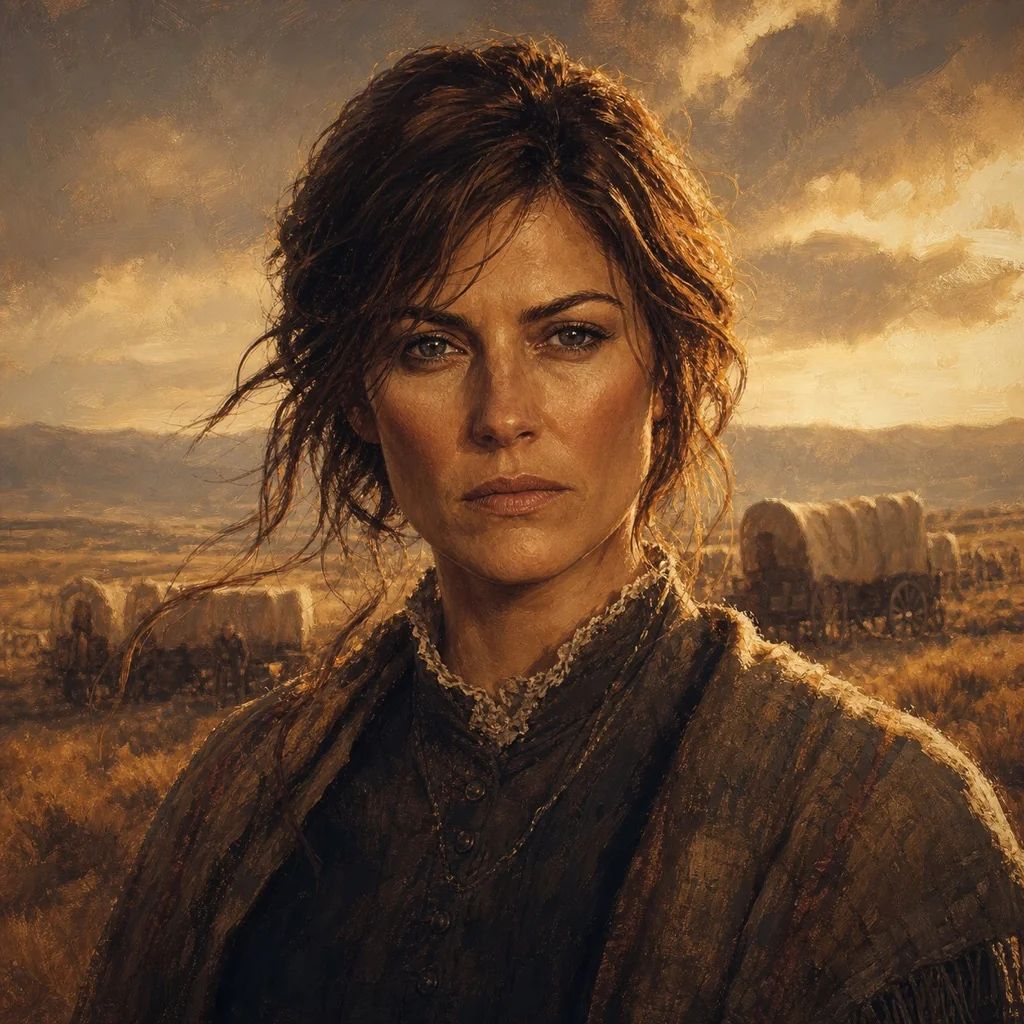
 Claire DuttonMother
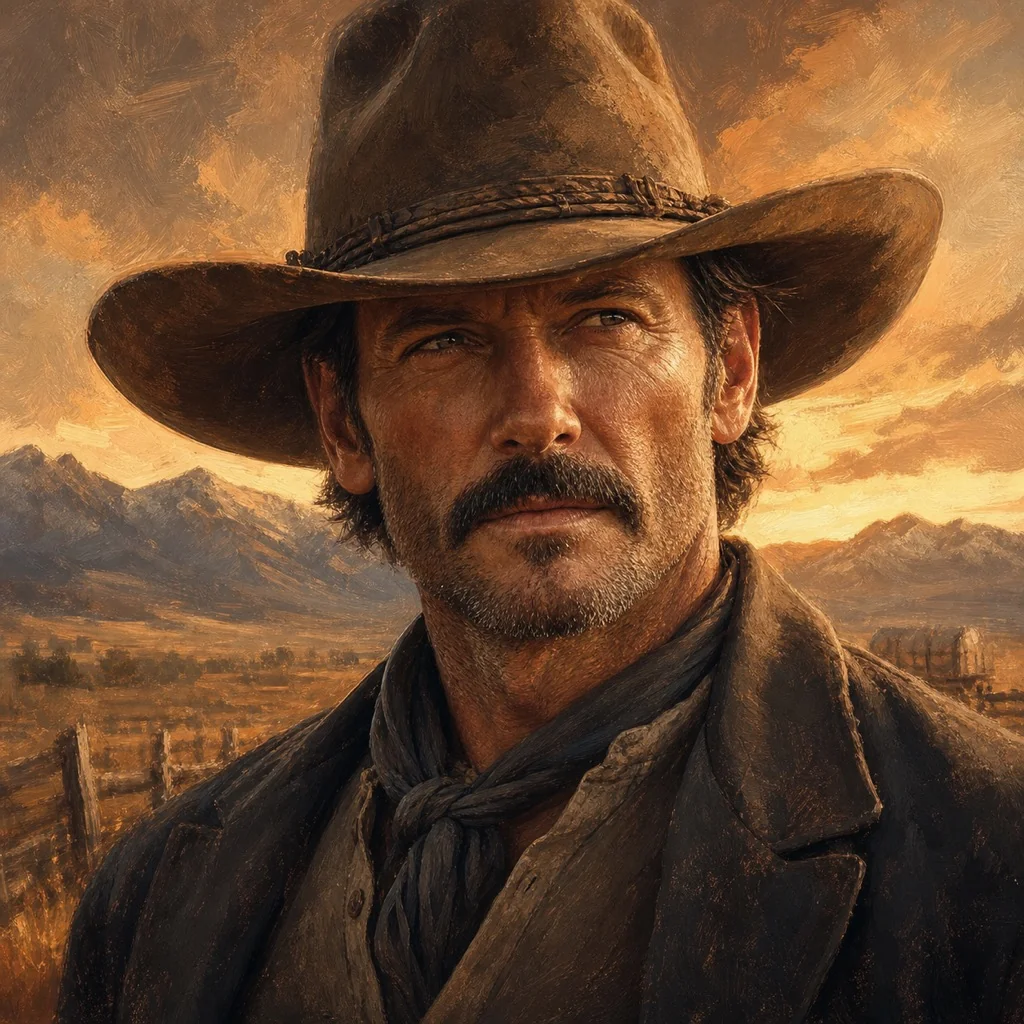 James DuttonUncle
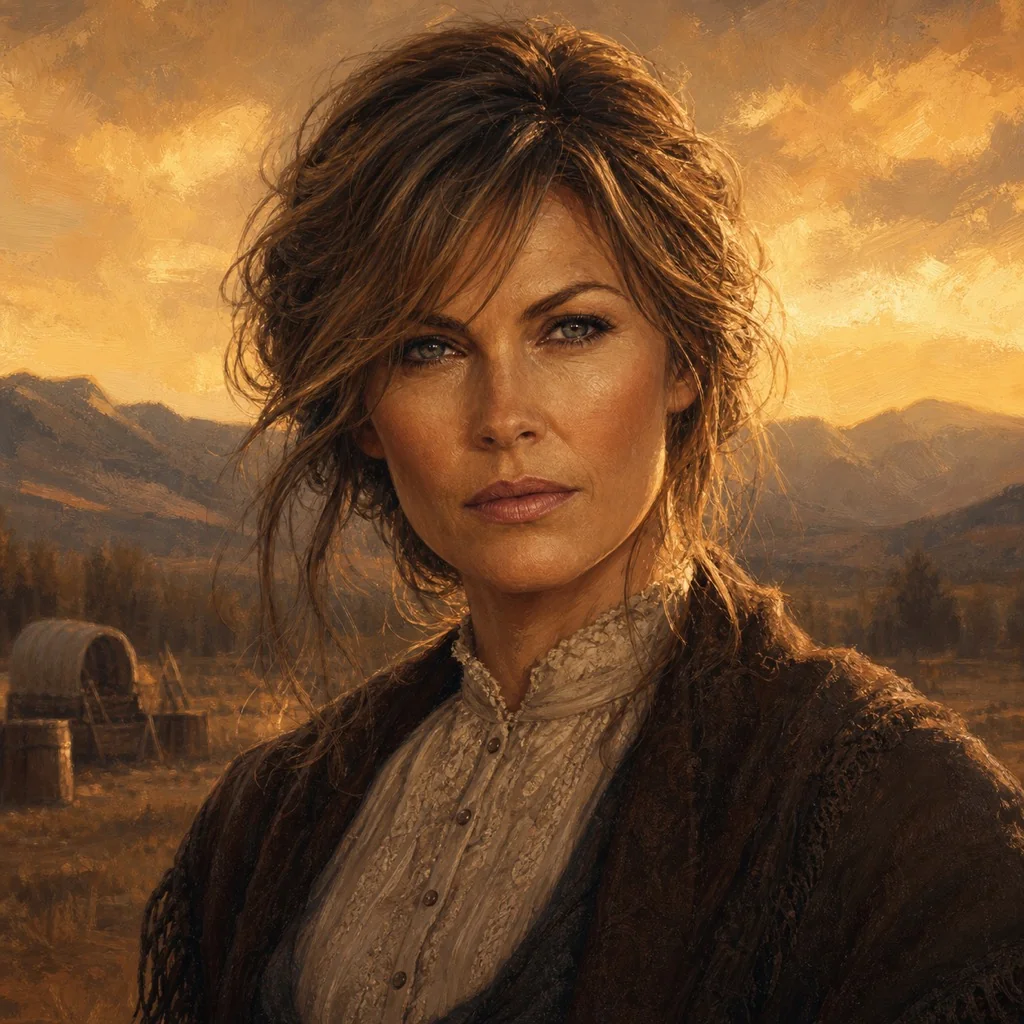 Margaret DuttonAunt
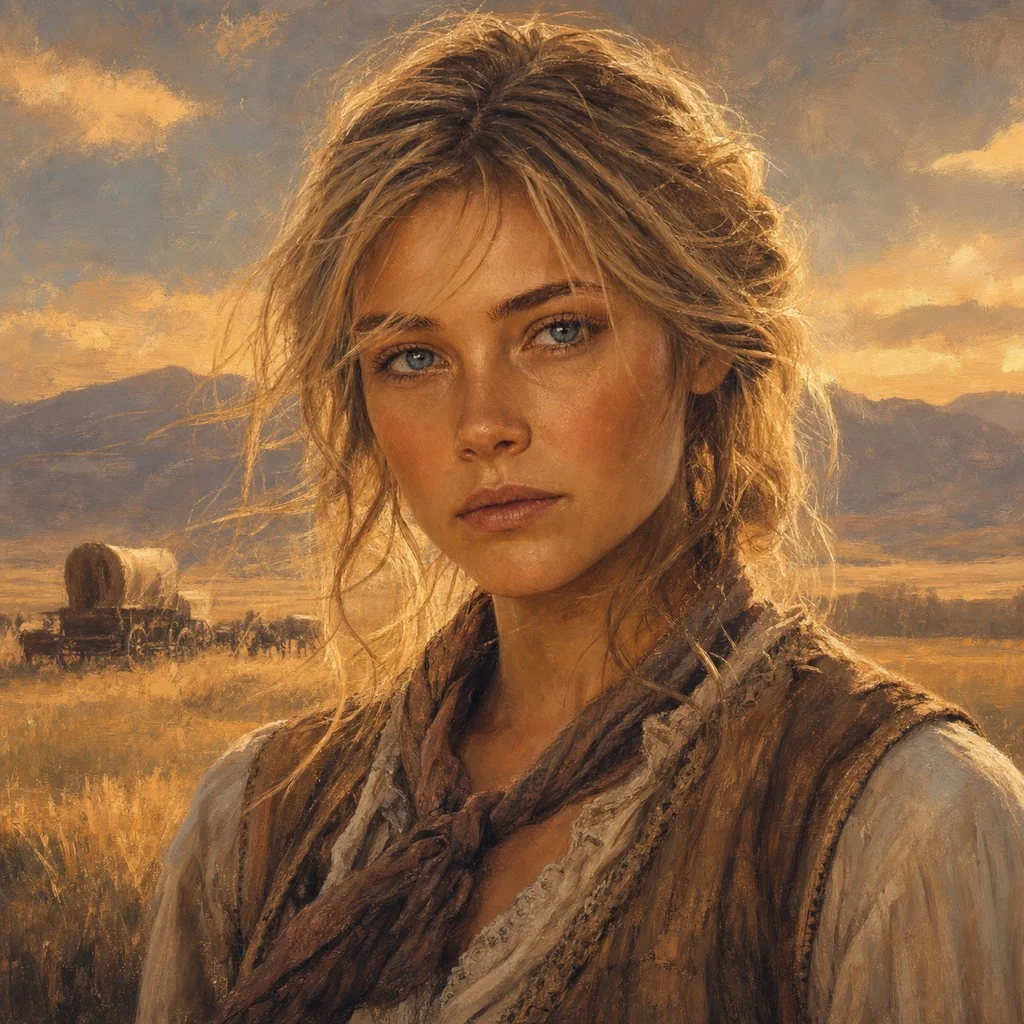 Elsa DuttonCousin
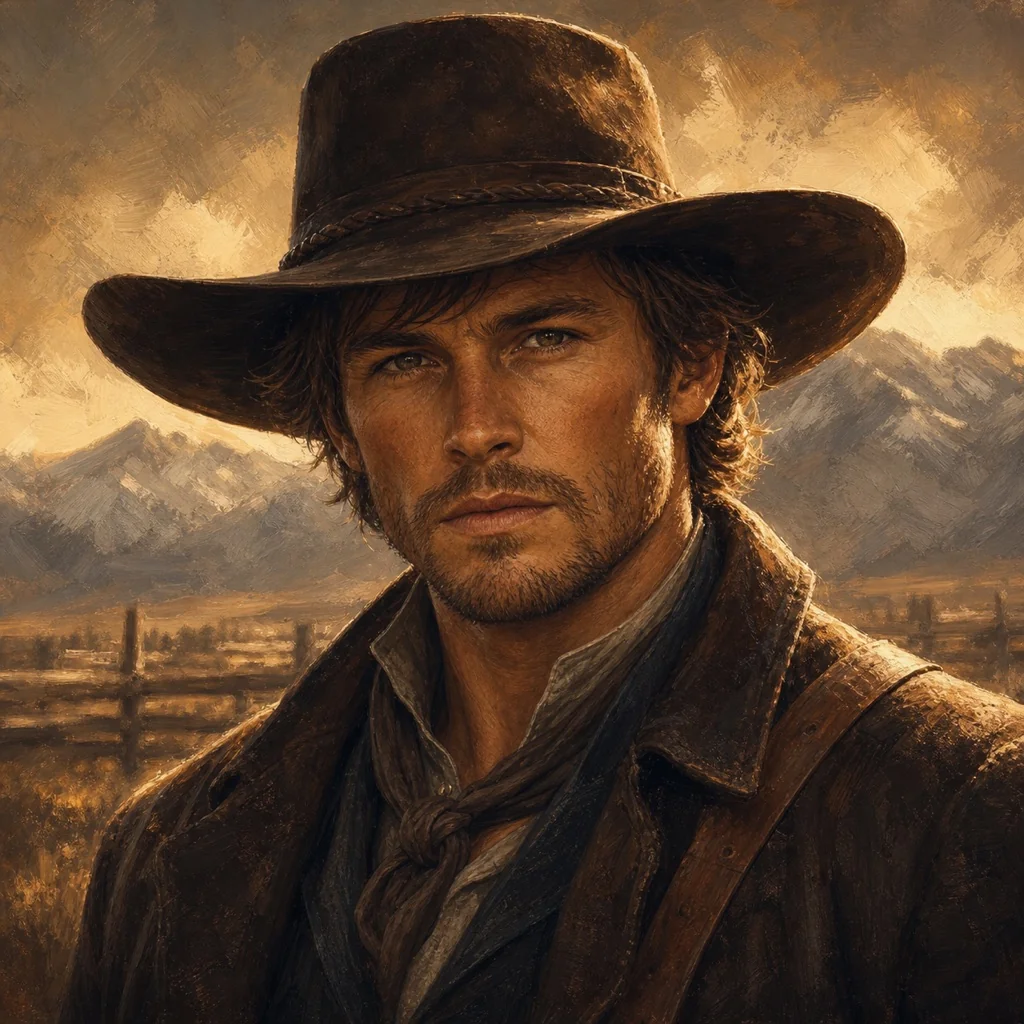 John Dutton Sr. (1883)Cousin
Who she is
Emma Malouff plays Mary Abel as a child still learning the rules of the world she has been dragged into — rules the trail has no intention of teaching gently. She is Claire’s daughter, Henry Dutton’s niece by marriage, James’s blood. Widowed mother and only living child, boarding the train together at Fort Worth with the Dutton party in 1883, two pieces of the same grief moving west toward a place neither of them will survive to reach.
She is not the protagonist. She is smaller than that, and more essential: the person whose death makes another character legible. What happens to Mary Abel is not incidental violence. It is the mechanism by which 1883 proves the trail’s terms are non-negotiable.
Defining moments
- S1E01 — Fort Worth muster. James calls the family to order on the depot platform — “Mary Abel. Claire.” — and she appears beside her mother in the crowd, fatherless now after Henry’s death, the pair of them arriving at the wagon train with nothing left to go back to. The naming is matter-of-fact. She is counted among the living.
- S1E01 — Inspection line. Claire oversees the immigrant women’s health check, issuing commands: “Next. Spin. You’re done, step over there.” Mary Abel moves through this machinery at her mother’s side, obedient, unnamed in the chaos, a child being sorted along with the luggage and livestock. The scene establishes the logic the trail runs on: you are assessed for survival value, not grief.
- S1E01 — The departure warning. James pulls Mary Abel away from the inspection staging with a brief, sharp instruction — “Mary Abel, let’s go” — and the family moves. It is the last scene that places her alive and named. She will not survive the first stretch of trail south.
- S1E02 — The dirt. Claire kneels over what the subtitles do not show directly but the dialogue makes plain: her daughter’s body. She speaks to James with a grief that has passed through fury and come out the other side into something quieter and more final: “I have had seven children… and they have all ended up just like this one. In the dirt I kneel beside. I am done kneeling. I am ready to lay down.” James tells her she will die here if she stays. She tells him: “You say that like it’s a warning.” When he finally turns to go, she calls after him: “God damn you, James. God damn you and your dreams.” She does not move. He does not return.
Why she matters
Mary Abel’s death is the episode two pivot on which both her mother’s arc and the trail’s moral logic turn. Without it, Claire Dutton is a difficult woman managing grief at a distance. With it, Claire becomes something harder to dismiss: a person who has run out of children to lose and found, rationally, that she has run out of reasons to keep walking.
The show does not linger on Mary Abel’s dying. It is not that kind of death — no deathbed, no speech, no farewell composed for the audience. She is simply gone, and the hole she leaves is measured entirely in what her mother does next. Claire chooses the grave over the horizon. James says goodbye and rides. The Dutton dream takes another body and resumes moving north.
This is 1883’s argument stated plainly: the founding of the ranch is not a heroic project. It is an attrition. Every mile bought with a cost, most of those costs never named on any deed. Mary Abel is the first Dutton casualty the audience watches claim a survivor — not because the trail killed her specifically, but because it killed her and left no one to mourn with her mother, and the whole weight of that landed on a woman who had been strong enough, until she wasn’t. That is the inheritance James carries the rest of the way to Montana. That is part of what the ranch is built on.
Why she matters to the Dutton story
Claire’s line runs through James’s blood into every generation that follows. The children she buried — seven in total, Mary Abel the last — never become names in the family history. But the exhaustion they produced in their mother, the crack it made in James when he rode away from her in that field, the knowledge that survival costs people who deserved better — that carries. It shows up in how Margaret holds her children close. It shows up in how Elsa talks about death without flinching. It shows up, forty years later, in a man named Jacob Dutton who understands that land is paid for in a currency that doesn’t appear in any ledger.
Mary Abel Dutton is two scenes and a name spoken by a grieving uncle. That is enough. The trail doesn’t need much space to make a point that holds for a hundred years.
Which Yellowstone Universe character are you?
24 questions. Beth, Rip, Spencer, Cara, John, Kayce — pick your spirit Dutton.