Mayor of Kingstown S1E2 Recap: Mike Takes Mitch's Office, Faces Bunny, and Witnesses an Execution
Mayor of Kingstown, Season 1, Episode 2 — “The End Begins” Paramount+ · Created by Taylor Sheridan and Hugh Dillon · 2021
Mike inherits Mitch’s chair before he has time to grieve, then learns the job includes watching the state kill.
Mayor of Kingstown follows Mitch’s murder with an hour about inheritance, and almost none of it looks ceremonial. Mike McLusky (Jeremy Renner) burns the blood out of the office carpet, accepts the FBI arrangement his brother had, forces Bunny Washington (Tobi Bamtefa) to give back Sam’s letter, and gets hired to sit beside a family at an execution. The episode also pushes Milo Sunter (Aidan Gillen) back into the story through a quieter order: send Iris (Emma Laird) to Kingstown.
Mike Handles Mitch’s Funeral by Working
The funeral reception gives Kyle McLusky (Taylor Handley) one of the episode’s plainest grief scenes. People around him trade old police stories and office gossip, while Kyle says nobody is really talking about what a great man Mitch was. A friend tells him that memorial gatherings are not where you miss someone; that has to happen alone.
Mike does not get even that much time. Ed pulls him onto the porch to discuss what happened after Sam’s prison fight, and the language changes from condolence to institutional triage. Sam says Darryl attacked him, Darryl is on a ventilator, and the Crips are likely to retaliate because the letter still gives them leverage. Mike tells Ed to move Crip leaders around, split up brothers in B-block, and create enough instability that the Bloods and Mexicans see an opening in the yard. When Ed says Mitch would not have done it that way, Mike answers with the first clear difference between the brothers: every once in a while, it is worth reminding them they are the prisoners.
The episode’s domestic scene between Kyle and Tracy McLusky (Nishi Munshi) gives that machinery a human scale. Kyle says he loved Mitch but does not feel sad, and Tracy tells him there are no rules for what he has to feel. Then she names the fear sitting between them: Kyle could die the same way. He says he cannot change the way things are done in Kingstown; she asks him not to waste a moment of them.
Mike Burns the Office and Accepts the FBI’s Money
Mike’s response to Mitch’s bloodstained office is both absurd and revealing. He sets the place on fire, then shrugs when the damage is called arson. His explanation, “How else do you get a stain out of a carpet?” has the rough comic snap the episode needs, but the metaphor is not subtle. Mike would rather scorch the room than move out of it.
Rebecca sees that clearly. She tells him cooking school is looking pretty good and points out that he has no marriage, no children, and no clean reason to take this on. Mike repeats that he is tying up loose ends. She warns him not to let weeks become years. The scene works because it frames the mayor role as a trap Mike can still theoretically refuse, even while every choice he makes tightens it.
The FBI visit removes more of that theoretical freedom. Special Agents Aldrich and Perry come to ask about Milo, Vera Sunter, the armored car money, Bunny, and the fact that Mike is a convicted felon carrying a concealed weapon through a universe of favors. They also reveal that Mitch was being paid $2,500 a month as an informant. Mike does not hesitate. He signs, takes the check, and lays down terms: no wires, no stings, no using him to run cops up a flagpole when he bends a rule to keep someone alive.
That negotiation is one of the hour’s sharpest power scenes. Mike is cooperating with the federal government and threatening it in the same breath. He wants official status while preserving the deniability and reach of the office. When Rebecca asks whether they are still in business, Mike’s answer lands like resignation: what else is he going to do?
Bunny Gives Mike the Letter, and Milo Sends for Iris
Bunny calls Mike to offer sympathy, then immediately pivots to fury after realizing Mike pulled him off the yard. Mike drives straight to him, shoves a gun in his face, and demands the letter back that day. Bunny has had it the whole time. The exchange is funny in its chaos, but it also shows how fast Mike’s version of mediation becomes force when he thinks leverage is being abused.
The terms are simple. Bunny gives back the letter, the Crip leaders go back where they were, and the yard returns to its prior balance. Bunny still presses the moral question that matters most in the episode: where is Mike, with him or with the guards? Mike tries to dodge by mocking the idea that they are friends. Bunny’s point is harder than that.
Milo reads Mike from inside the prison with colder accuracy. After Joseph reports what Mike did to him, Milo says Mike is different from Mitch, “more like us.” He tells Joseph not to threaten him again and to send someone else, someone like Vera. Then he asks where Iris is and orders her sent from New York.
Iris appears briefly, intimate and separate from Kingstown’s industrial cold, before Joseph’s call pulls her toward the city. The episode does not reduce her to bait, though Milo clearly intends to use her that way. Milo seems to understand that Mike may resist threats, but he might respond to vulnerability.
Mike Guides Juan’s Family Through the Execution
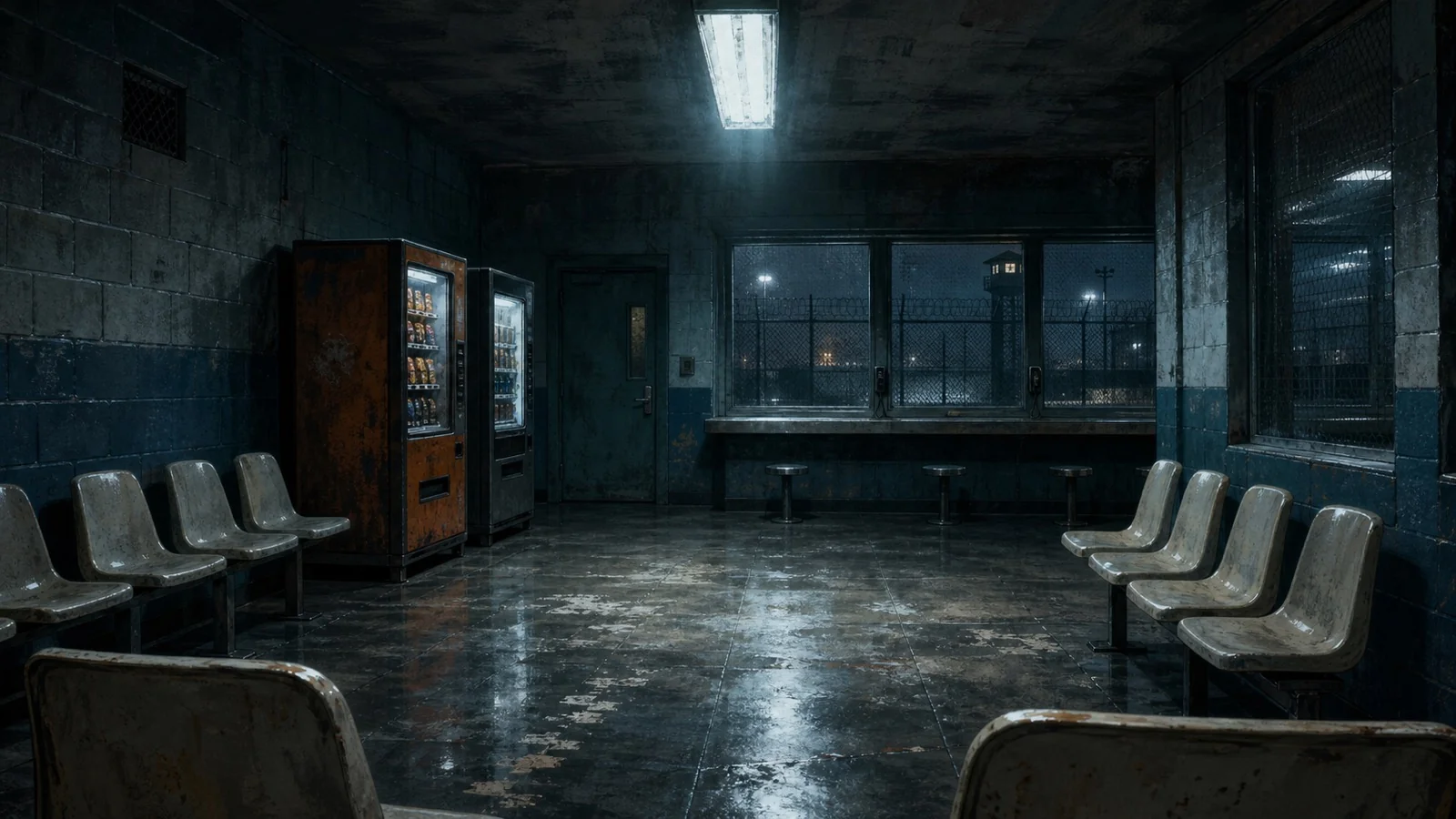
The execution story begins in Mike’s office with a woman asking for help because her brother, Juan Jesus Garcia, is scheduled to die. Mike tells her there are no appeals left, no procedural trick, no favor he can call in. He also says the other people in the viewing room are the family of the child Juan killed when he sprayed a bus stop with bullets. The scene refuses easy sympathy without denying the horror about to happen to Juan’s mother.
When the sister returns, she no longer asks Mike to save him. She asks him to explain what they will see and to be there with them. That request is devastating because it reduces the mayor’s power to translation. Mike cannot stop the state, cannot undo the murder, and cannot make the ritual less brutal. He can only sit beside a family and tell them where to look.
The execution sequence is staged around rules and language. The guard tells the witnesses where to sit, what not to say, when not to move, and what penalties attach to breaking the viewing-room code. Mike explains the “gallery,” talks the family through the warden’s reading, and tells Juan’s mother to look down before the worst physical signs begin. When he has the sister repeat “He’s asleep” and “There’s no pain,” he is not telling the whole truth. He is giving the mother the only mercy available in a room designed to convert death into procedure.
That is also where the episode’s bluntness becomes productive. The victim’s uncle is in the room too, and he wants Juan to feel it. Mike tells him suffering is in the mind and that Juan has been doing that for years. Nobody in the room receives clean justice. A child is dead, a condemned man dies terrified, a mother watches through glass, and Mike leaves carrying another kind of stain.
What works
- The hour makes Mike’s succession practical before it makes it emotional. Every time he tries to talk about loose ends, another person walks in with a crisis only the office can absorb.
- Mike is strong in the execution sequence because he underplays his own competence. He knows the process, but that knowledge feels like damage rather than wisdom.
- Bunny’s closing conversation gives the episode its best sociological language. His line about being born, suffering, and dying young could play as pure despair, but Bunny carries it as a man describing weather he has lived under for decades.
- The FBI scene neatly defines Mike’s strange jurisdiction. He is paid by the state, useful to criminals, needed by cops, and loyal mostly to the fragile balance that keeps Kingstown from open collapse.
What stumbles
- The office-fire metaphor is effective, but the dialogue nearly labels it too hard when Rebecca points out the metaphor herself.
- The meth-bust detour with Mitch’s Cadillac has energy and lets the cops’ off-book methods breathe, yet it feels less integrated than the prison-yard and execution material.
- Sheridan and Dillon still lean on blunt declarative dialogue. Some of it works for this world, especially from Bunny, but several scenes say their meaning twice.
What this sets up for Episode 03
Mike has formally stepped into Mitch’s role while claiming he is only finishing old business, and the episode leaves that denial looking thinner by the hour. Milo’s decision to send Iris gives the prison antagonist a new way to reach Mike outside ordinary threats. Bunny’s final warning also matters: Mike may think he moves between sides, but Kingstown treats everyone inside the beast as part of its meal.
Rating: 8.0/10
More episodes from Mayor of Kingstown — Jeremy Renner in Sheridan's prison-town drama, episode by episode. Jump to any episode in the season:
Where to go next
Reviewed by Mira Vance · QuizFandom Editor & Lead Reviewer. Every rating is an honest per-watch assessment from the desk that also writes the quizzes — not a press release rehash.