Mayor of Kingstown S1E8 Recap: Mike Finds 26 Bodies and Pulls Iris Back From Duke's Crew
Mayor of Kingstown, Season 1, Episode 8 — “The Devil is Us” Paramount+ · Created by Taylor Sheridan and Hugh Dillon · 2021
Milo’s buried secret detonates around Mike while Iris and the prisons expose what Kingstown calls order.
“The Devil is Us” answers last episode’s metal-case cliffhanger with a rotten punchline: Mike McLusky (Jeremy Renner) does not find Milo’s bearer bonds. He finds a buried bus containing 26 bodies, many of them tied to James Parker’s victims, and realizes Milo has steered him into a crime scene that makes him look useful, guilty, or both. While the district attorney pushes to move Milo to county, Iris (Emma Laird) is sold from one predatory group to another before Bunny Washington (Tobi Bamtefa) gets word to Mike. By closing time, Mike is cutting Milo’s tracker out of Iris beside the road, while the prisons answer all the talk of peace with blood.
Mike Finds Parker’s Victims in Milo’s Buried Bus
The opening sequence converts Mike’s metal detector errand into one of the season’s nastiest discoveries. Ian Ferguson (Hugh Dillon) and Stevie Tarrant (Derek Webster) stand with him as police break into the buried bus, coughing through the smell, lime, rats, and decay. Stevie counts 26 bodies, and the practical question becomes almost absurd: whether the crime photographer should crawl into the bus or whether everyone should wait for the morgue.
The scene matters because it makes Milo’s power feel archaeological. These bodies have been under Kingstown long enough to become part of the land, and Milo has chosen the moment when Mike is watched by law enforcement to lead him straight to them. The victims are identified as missing people, including the “Chalk girl,” and as James Parker’s victims, which makes Parker’s execution feel less like closure than the removal of one visible actor from a much larger machine.
Evelyn wants Milo moved to county and in front of a judge by Monday, but the case is not clean. The land points to him, the threat to Mike points to him, and the pattern points to him, yet the prosecutable path is still murky because he has been locked away for nine years. That is the maddening grammar of Kingstown: everyone knows what happened, everyone can name the shape of it, and the system still demands a version that can survive court.
Mike Learns Milo Wanted Bearer Bonds, Not Bodies
Mike takes his anger to Milo’s lawyer, Paul, and the restaurant scene gives the episode its most direct burst of panic. Mike smashes through the polished lunch atmosphere and tells Paul that the metal case contained “twenty-six bodies wrapped in a cocoon.” Paul is horrified because that was not what Mike was supposed to find. The real prize is $14 million in bearer bonds, Milo’s “other way” out if appeal fails.
That information changes the trap without simplifying it. If Mike goes back to the property, he walks into a sealed crime scene with cops and federal attention everywhere. If he does nothing, Milo’s leverage remains buried somewhere near a mass grave. Paul tries the legal angle, pointing out that Milo is in solitary confinement with recorded calls and no obvious channel to the outside, but Mike has spoken to him and knows the official impossibility is part of the trick.
The scene also sharpens Mike’s own fear. He does not only suspect Milo is setting him up; he can see the outline of the frame. If someone tries to pin Milo’s acts on him, Mike promises Paul that prison will be for something he actually did. It is a threatening line, but also a revealing one. Mike still thinks in ledgers of guilt and payment, even when he is the one being turned into currency.
Rebecca’s new office tour gives that dread a smaller, sadder echo. She finds a cheaper, bigger space, only for Mike to point out that it sits across the street from a recent run of murders. When she tells him that a fresh start would require a new city because Kingstown does not have those, the joke lands because we have already seen a literal grave beneath the old business.
Mike Checks Bunny as the Prison Peace Starts to Break
Ed’s urgent call pulls Mike back toward the prison economy. From Ed’s view, the Black, white, and Mafia leaders meeting without soldiers around them can only mean one thing: they are talking about the guards. The warden thinks he made peace, but Ed sees coordination, and the episode lets both positions sit uneasily together. Peace in Kingstown often means everyone has agreed on the next target.
Mike goes to Bunny first, and Bunny performs calm like a man enjoying the weather. The “wheels of commerce” are rolling, everyone is enjoying the sunshine, and if cable comes back, Mike will be on Christmas lists. Bunny insists there is peace in the jungle and tells Mike his work is done. The surface is cheerful; the refusal to say anything more is the warning.
Mike then calls Duke and meets the white crew, where old prison identity gets dragged into the open. A man presses a gun under Mike’s chin and tells him to remember where he came from, but Mike rejects the idea that racial prison alignment was loyalty. He says prison chose that tribe for him because survival required it, then tells Pete to rethink whatever guard killing is being planned. The speech is blunt Sheridan writing, but it cuts into the show’s central bargain: race, gang, and staff power are not natural orders here; they are enforced arrangements that people start calling fate after enough years inside.
Mike’s warning is practical, not noble. Kill a guard, he says, and the fight moves to the streets, the yard disappears, drugs stop moving over the wall, and Kingstown becomes Corcoran: cells, no sun, no mercy. He is not begging Pete to value a guard’s life; he is explaining the institutional violence that will follow if the wrong body drops.
The prisons prove how little control anyone has left. Cherry fakes right-side pain, gets Sam to escort her toward the infirmary, leads him to a camera blind spot, and uses his bad judgment as a weapon after telling him, “My friends say hello.” At the men’s prison, a guard tries to keep inmates on the wall side of the red line as they crowd him, ignore commands, and close distance. The red line only works while enough people agree to pretend it has power; once they stop, he is isolated and attacked before the alarm catches up.
Iris Is Sold Again and Mike Answers With Gunfire
Iris’s material is the hardest part of the episode because it keeps refusing the audience a clean rescue rhythm. Duke’s people know she is broken before she even screams in the shower. Big Beard injects her, calls her ruined, then decides a white girl can still earn if sold into the right corner. The language is vile, but the episode’s point is the transaction itself: one group injures her, another calculates how the injury can still produce money.
Bunny’s people intercept that transaction after a street chase and shootout. When Bunny calls Mike, he says he has something that belongs to him because “she says so.” The possessive language is ugly even when Bunny is helping, and the episode does not pretend otherwise. In Kingstown, the shortest route to protection is often to be claimed by someone with force.
Mike finds Iris with Bunny’s niece, BeeDee, and asks if she wants to come with him. That question is small, but it matters after scenes built around men deciding where she goes next. Iris says she is thirsty and maybe hungry; Mike promises to fix both after one stop. The stop is Duke’s place, where Mike makes Iris identify the man who hurt her and then kills him in a burst of gunfire.
The retaliation is cathartic by design and compromised by context. Mike is protecting Iris, but he is also proving that his justice still runs through ambushes, intimidation, and bodies left on the ground. When he returns to the car, Iris asks whether everything that was hurt will heal. She answers herself: not everything.
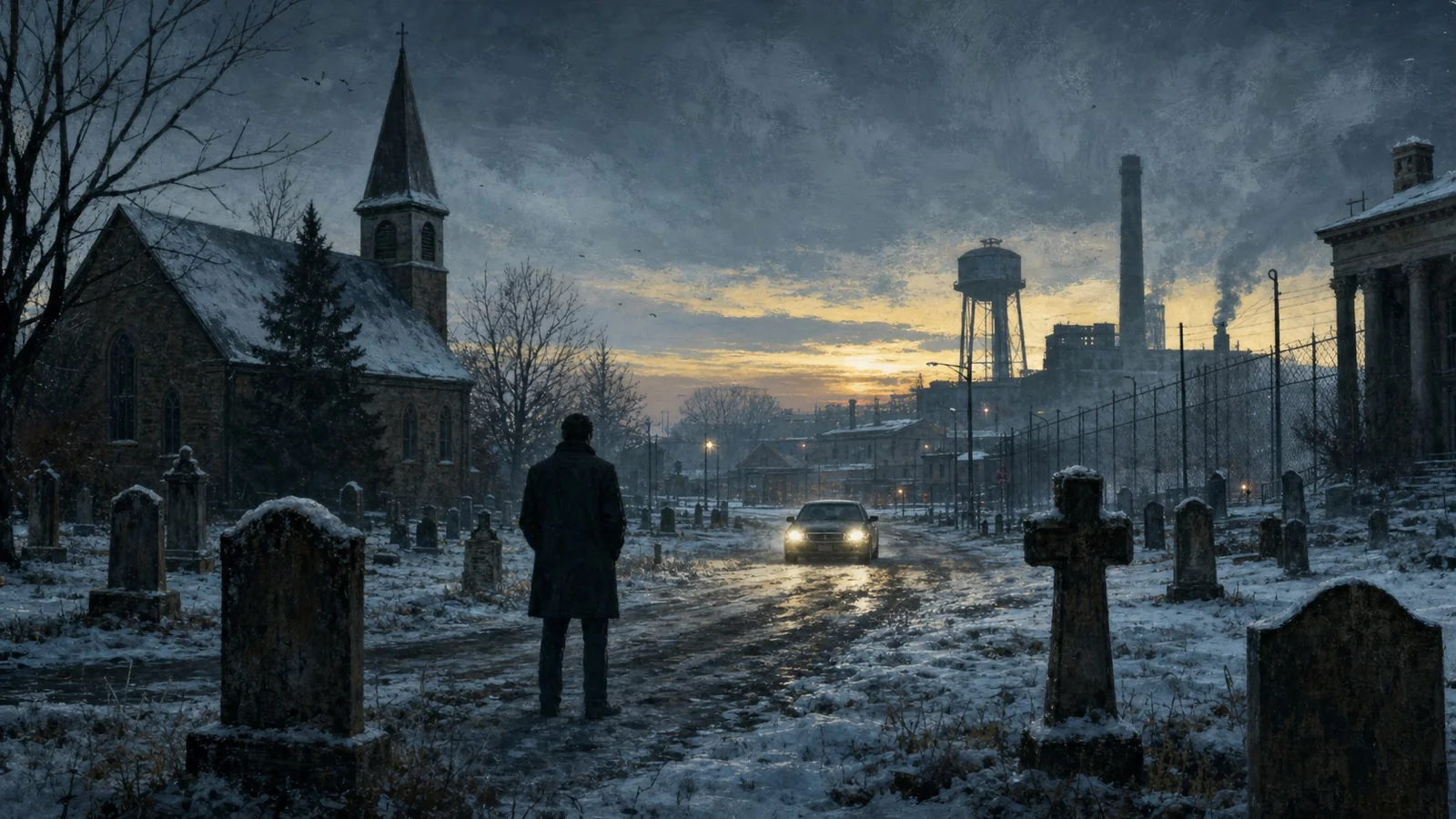
On the road afterward, Mike checks Iris’s hip for Milo’s implanted tracker and cuts it out with no anesthetic. Their conversation gives the hour its title without turning her into a symbol. Iris says she never believed in God, but she believes in the devil because he looked past every dream and every fear at what he could take. Mike says a person did that to her. Iris answers that this is exactly what she means.
What works
- The buried bus is a strong escalation because it expands Milo’s threat backward in time. He is not simply planning the next move; he has old crimes stored under the town.
- Mike’s office and restaurant scenes keep his panic specific. He knows he is being framed, but he still has to solve the frame while standing inside it.
- Iris’s rescue gives her one crucial choice in an hour where nearly every man speaks about her as property. Mike asking whether she wants to come with him is not enough to fix anything, but the wording matters.
- The prison material pays off the prior episode’s cafeteria negotiation. Ed’s paranoia has ugly roots, but he is not wrong that coordinated quiet can be more dangerous than open noise.
What stumbles
- Mike’s tribe speech to Pete is dramatically useful, though the writing underlines its argument hard enough that the scene briefly sounds like a position paper.
- The episode keeps Iris in punishing material for a long stretch. Her final conversation with Mike gives the trauma interior shape, but the path there is brutal and repetitive by design.
- The show still leans on blunt institutional shorthand when it wants to move quickly. The guard economics, racial prison alignment, and street-commerce logic are all valid subjects, but the dialogue sometimes arrives pre-labeled.
What this sets up for Episode 09
Milo’s bearer bonds are still missing, and the 26 bodies have made Mike look like either a witness, a tool, or a suspect. Iris is physically out of Duke’s hands, but Mike still has to remove Milo’s tracker and decide what protection can mean in a city that keeps selling people back into danger. Inside the prisons, Cherry’s setup and the red-line attack should push the administration toward lockdown, which means the peace Mike brokered is already collapsing.
Rating: 8.4/10
More episodes from Mayor of Kingstown — Jeremy Renner in Sheridan's prison-town drama, episode by episode. Jump to any episode in the season:
Where to go next
Reviewed by Mira Vance · QuizFandom Editor & Lead Reviewer. Every rating is an honest per-watch assessment from the desk that also writes the quizzes — not a press release rehash.