Raakh Season 1 Episode 8 Review: The Finale Returns To The Fifteen Minutes That Changed Delhi
What happens — the short version (spoilers)
- Suman And Sahil Get Their Last Ordinary Morning Back
- The Car Ride Turns Bad Before Anyone Can Stop It
- Raakh Makes The Crime Horrific Without Making It Spectacle
- Jayprakash Refuses To Let The Case Become Mob Revenge
- The Court Names Rajjo And Babu In Full
- Nisar Turns Public Grief Into Memory
Raakh closes by returning to Sahil and Suman's final ride, then follows the case through confession, sentence, public grief, and a fragile hope that justice can mean more than punishment.
Suman And Sahil Get Their Last Ordinary Morning Back
Suman And Sahil Get Their Last Ordinary Morning Back
The finale begins with motion, jokes, and life. Suman and Sahil are not symbols yet. They are children playing, teasing each other, and counting down before the evening that will define the whole city. The episode spends time with that ordinary rhythm because the season has been chasing their absence since the premiere.
After the bus ride, rain strands them near the road. Sahil suggests running to the radio station. Suman resists getting drenched. They try once more to find a way through the weather, and then the car arrives. Babu offers a ride to the radio station because, he says, they are going the same way.
The scene is hard to watch because viewers now know every wrong turn. The children do not. Sahil calls himself Suman’s bodyguard. Suman is irritated, funny, and focused on getting to the program. They are alive in specific ways before the crime reduces them to names in a file.
The Car Ride Turns Bad Before Anyone Can Stop It
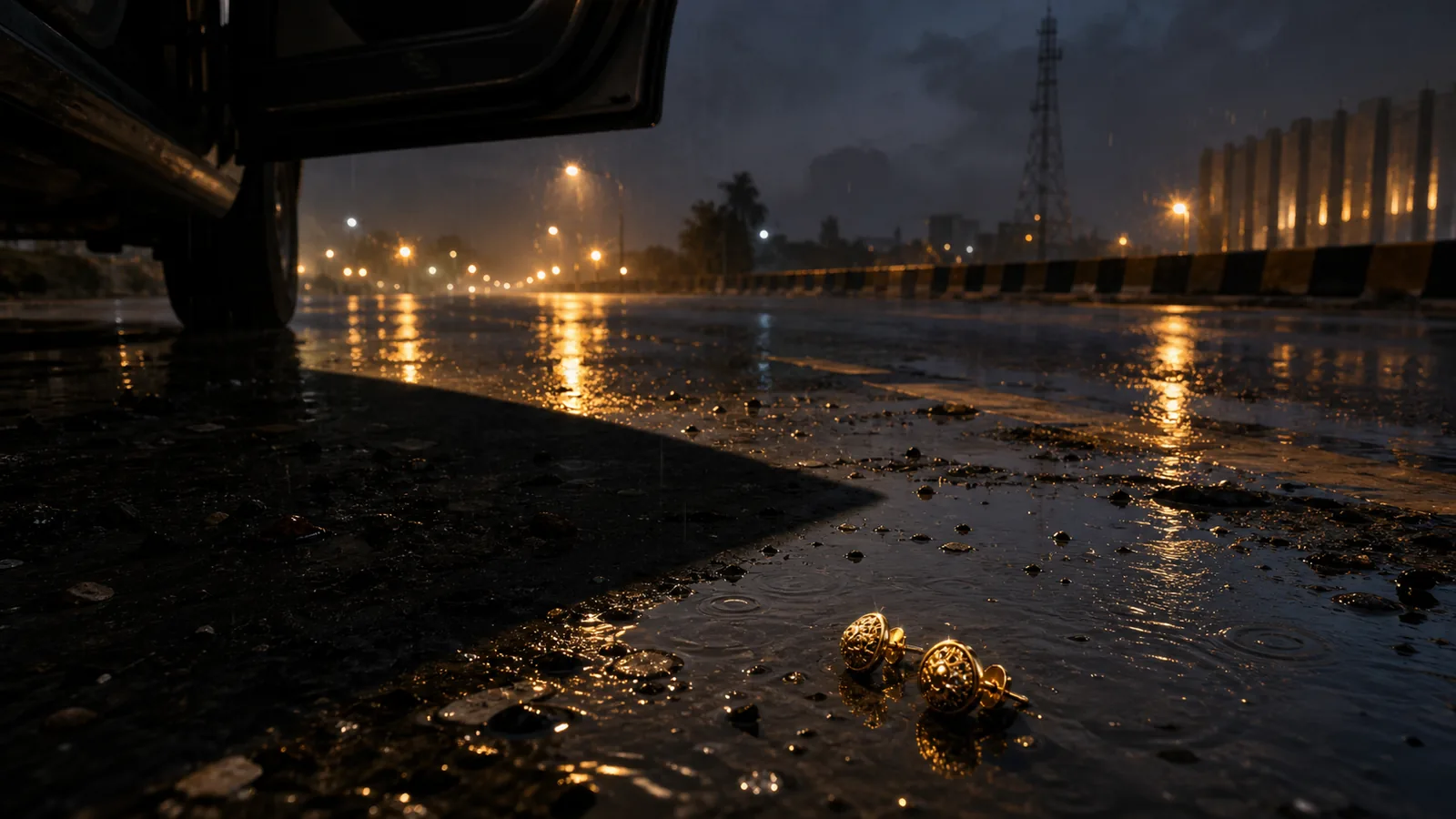
Babu starts with questions that sound ordinary enough to pass. Where do the children live? Their father is Lt. Col. Ashok Arora. Then he fixates on Suman’s earrings. The tone shifts fast. Suman asks to be dropped off. Sahil tries to open the door. Rajjo tells Babu to stop the car and let them go.
That detail matters. Rajjo sees the danger and still remains part of it. He protests, then obeys, then participates. The finale is careful about this. Babu dominates him, insults him, and orders him around, but Rajjo is not innocent. When the violence begins, he does not save the children.
Sahil fights back with everything he has. He bites, hits, holds on, and tries to protect Suman. The children’s resistance is what leads to Babu and Rajjo’s injuries, which later helps Jayprakash trace them through hospitals. The finale makes that point without turning bravery into comfort. Their courage matters. It still cannot undo what happens.
Raakh Makes The Crime Horrific Without Making It Spectacle
The central sequence is brutal, but the episode’s strongest choice is restraint. It does not need to linger on every act to make the horror clear. Sahil is bleeding badly. Suman begs them to take him to a hospital and promises they will call it an accident. Babu sees witnesses, an Army father, and consequences. His answer is murder.
Rajjo’s refusal later is narrow and damning. He says no to Babu in one specific moment, after already helping trap, injure, and terrorize the children. Babu uses that refusal to humiliate him again, mocking his masculinity and daring him to strike back.
When Suman searches for Sahil afterward, calling his name again and again, the season’s structure snaps into place. Every lead, every false hope, every procedural delay has been moving toward these minutes. Raakh does not treat the children as plot fuel in the finale. It restores the reality of what was taken.
Jayprakash Refuses To Let The Case Become Mob Revenge
After the confession and report, Jayprakash sits with a senior officer who names the wider fear. Crimes and criminals are changing. One man’s rot can spread into a crowd. The language is broad, but it fits the season’s view of Delhi: institutions matter because private cruelty does not stay private.
The official praise is restrained. Jayprakash is told to submit the confessions and report. He is reminded that competent officers are hard to find. He is allowed to appear for his exams. He even tries, very Jayprakash-like, to get reimbursement for the air ticket from Bombay to Delhi and is immediately told not to push it.
The mob outside gives the episode its next test. People shout for the murderers to be hanged. Jayprakash tells Javed to open the door and throw Babu and Rajjo outside, making clear how quickly the crowd would finish them. Then he refuses that ending. They need to be made an example of in court, not consumed by the street.
The Court Names Rajjo And Babu In Full
The sentence is direct. Rajendra Batwal, alias Rajjo, and Kumar Bhide, alias Babu, are named for the murders of Sahil and Suman Arora and for the damage done to a family and to Delhi’s trust. The court says they deserve nothing less than death and sentences them to be hanged.
Raakh does not stage the verdict as triumph. There is relief, but not repair. The season has shown too much harm for one sentence to feel like balance. Mona and Ashok still lost their children. Johnny is still dead. Meena is still dead. Freddy and Deena are still marked by what happened to them. Babu’s mother and Guddi are part of the same field of ruin.
What the verdict can do is name the crime publicly and return the case to law. That distinction is important after the mob scene. Anger is understandable. The state still has to do the work properly, or the city becomes another form of violence.
Nisar Turns Public Grief Into Memory
Nisar’s closing piece for Dilli Nama gives the finale its public voice. She frames the crime as 15 minutes in Delhi that changed the city forever. The question she asks is not only where Babu and Rajjo were. It is where everyone else was, and what kind of city allowed trust to crack so suddenly.
The letters and drawings sent from across the country deepen that grief. Arun from Madras, Rani from Lucknow, and many unnamed children write to Sahil and Suman’s parents. Their words are not evidence. They are a record of a country trying to speak to a loss it cannot fix.
That is why the later quiet between Nisar and Jayprakash matters. He is now Inspector Jayprakash Jatav. She has the front-page headline. Their conversation is warm, almost shy, but it does not erase the case. He repeats the lesson she gave him: the real fight is to not lose hope. In this show, hope is not innocence. It is discipline.
The Final Image Chooses The Children
The finale’s last movement returns to Sahil and Suman as they were before the car. They run, tease, sing, and exist outside the police file. The song about being right here is an obvious emotional choice, but it works because the season has spent eight episodes making absence unbearable.
There is also a small domestic echo at the end: a hungry child asking Baba what is for dinner. After all the courtrooms, arrests, and public statements, the show comes back to a family need. Food, home, questions, care. These are the ordinary things the crime violated.
Raakh could have ended on punishment alone. Instead, it ends by insisting that the children’s lives were not only their deaths. The case changed Delhi, but Sahil and Suman were more than the event that changed it.
Tiny details worth clocking
Suman’s earrings return as the object that first draws Babu’s attention in the car.
Rajjo’s early “let them go” does not absolve him; the finale shows the gap between discomfort and action.
Sahil’s resistance explains the injuries that pushed Babu and Rajjo toward hospitals and later clues.
Jayprakash’s air-ticket reimbursement request is a small release after an otherwise grim official meeting.
The mob scene clarifies why the court verdict matters as procedure, not only punishment.
Nisar’s Dilli Nama narration ties the private murders to the public idea of Delhi’s lost trust.
Final verdict
Episode 8 is a painful, disciplined finale. It gives Sahil and Suman back their voices before showing why their deaths shook everyone around them. It lets Jayprakash win the case without pretending justice repairs the damage. It lets Nisar speak to the city without turning grief into a slogan.
The strongest part of the ending is its refusal to confuse closure with healing. Babu and Rajjo are caught, confessed, named, and sentenced. Jayprakash becomes Inspector Jayprakash Jatav. Delhi gets a public account of what happened. Still, the final return to the children is what stays. Raakh ends by remembering the lives at the center, not the men who destroyed them.
Rating: 9.0/10 - A severe, moving finale that turns the case back toward Sahil and Suman while keeping justice, grief, and hope in uneasy balance.
More episodes from Raakh — Crime, grief, and payback, episode by episode. Jump to any episode in the season:
Where to go next
Reviewed by Mira Vance · QuizFandom Editor & Lead Reviewer. Every rating is an honest per-watch assessment from the desk that also writes the quizzes — not a press release rehash.