Mayor of Kingstown S2E6 Review: Bunny Clears the Path Mike Cannot Afford to Walk
Mike forces every lever he can find, while Bunny proves a prison promise can turn violent before paperwork catches up.
Mayor of Kingstown Season 2 Episode 6 turns on a single uncomfortable observation: desperate men are being asked to wait inside a system designed to profit from their delay. Mike McLusky (Jeremy Renner) spends the hour pulling on private-prison money, district-attorney ambition, and street reputation, trying to braid those three into one signed release. Bunny Washington (Tobi Bamtefa) has already decided that another promise will not be enough. The friction comes from watching both men work toward the same outcome while moving through completely different moral weather.
Mike Finds the Prison Business Behind Bunny’s Cage
The opening scene widens the season’s sociology before the plot has even settled. Mike sits across from a private-prison power broker and strips the language of reform down to its economic reality: inmate labor farmed out across the state for sixteen cents an hour, food for guard dogs valued above food for prisoners, a system with no exit because too many people get paid when the cycle continues. The man across from him does not deny the structure. He calls it where things have landed and tells Mike to join in or get crushed by progress.
That word, progress, is poison in Kingstown. It means a cleaner contract for the same captivity. Mike grasps as much, but he also needs the machine he hates. His request is not philosophical. He wants help getting a release paper shoved under the DA’s nose and signed. If Warwick’s contracts carry value for an election campaign, then Mike wants that value converted into motion for Bunny.
The contradiction is the hour’s first honest note. Mike can see the private-prison economy clearly enough to condemn it, yet he is also willing to owe it a favor. He knows the door is rotten and still has to use the handle because a man he promised is locked behind it.
Inside Anchor Bay, the consequences of delay are already moving faster than Mike. Bunny’s crew talks through the imbalance in the yard: Bunny in the hole, Aryan Brotherhood influence over guards, and the need to start earning again. The card-game scene has the casual rhythm of men trying to make prison feel ordinary, until a name gets called and violence cuts through the table.
Mike’s call with Kareem Moore makes that shift explicit. Kareem tells him Bunny should be out by the end of the day, but the word “should” is exactly what Mike cannot afford. Kareem also gives Mike the ugliest practical truth of Anchor Bay: half the corrections officers are Aryan-affiliated or sympathetic, and Kareem is only there for a few days, trying to figure out who actually pulls the strings. Mike hears one more office explaining why it cannot act fast enough. His answer is to go in himself.
Kyle Brings a Gun Into Mike’s Fragile Pressure Campaign
The episode then folds Mike’s public problem into the McLusky family’s private one. Kyle McLusky (Taylor Handley) is at home building a shed for Mariam’s gardening supplies, a sweet, almost absurd act of usefulness from a man who cannot sit still. The extra sheds around him make the scene funnier and sadder at once.
That restlessness follows him into Mike’s orbit. At the diner, Mike gathers Ian (Hugh Dillon), Robert, and Kyle after Robert receives what they call a heart-attack letter from the DA. Robert is being warned to lawyer up over the riot response, and Mike immediately reads the move as something more than inmate testimony. Somebody rolled, or somebody has a deal, or somebody outside the correctional family has decided Robert is the pound of flesh the city can offer.
The scene is ugly because nobody in it is clean. Robert insists he and his team stopped the riot from the inside. Mike does not argue the fear they were under, but he still tells them to get their story straight and find out who is talking. It is triage for men who have confused survival, loyalty, and cover-up.
Kyle makes that confusion worse. He has already gone into lockup to retrieve Milo’s bonds, trading concert tickets for access and wiping drives because he knows where the cameras are. Mike warns him to stay inside the lines while the world settles down. Kyle hears the warning, but the deeper question slips out afterward: whether bringing a child into this town makes him capable of being a good father at all.
Mike and Kyle play that car scene with the weary tenderness the show only allows the McLuskys in fragments. Mike tells Kyle he will be a great father, then immediately takes him to Davidson’s house, where parenting advice gives way to coercion. Mike enters alone and pressures the Anchor Bay guard who appears to have influence over the Aryan side: back off Bunny, stop pushing the scale toward AB, and let the balance return.
Davidson answers with the grievance of a guard who believes the old balance belonged to him too. The room turns physical. Kyle sees movement through the window, charges in with a gun, and threatens to paint the walls with Davidson’s brains for touching his brother. Mike regains enough control to make the message plain: Bunny wakes up in general population, Davidson does not mess with him, and if he does, Mike will return and ruin his world.
The comedy of Kyle claiming it “felt like five minutes” cannot hide what the scene has shown. Mike’s pressure campaign depends on precision, and Kyle’s love arrives as a loaded weapon.
Bunny Clears the Path and Leaves Mike Holding the Bill
When Bunny is finally released from the hole, he does not sound relieved. He tells Carney the difference between control and charge: he knows he is no longer in control, so he will take charge. Mike can move papers, threaten guards, and press elected officials, but Bunny has decided that prison only respects answers loud enough to be heard across the yard.
Their visiting-room conversation is the hour’s central fracture. Mike points to the quiet streets outside: no drive-bys, no mass murders, no innocent people killed. He treats that absence as evidence that something is working. Bunny hears a man asking to be congratulated for a deal that still leaves him shackled. He asks how many times he is supposed to let Mike fail him, then says quiet is not a real option in prison. Sooner or later, someone asks a question, and a leader needs a loud answer.
The new information arrives chillingly, almost casually. Bunny says there was a mark on Mike and that he moved it out of history. Mike’s alarm is immediate. Moved it to whom? Bunny refuses to tell him. He frames the answer as need-to-know, then tells Mike to keep pulling strings and get him out while Bunny clears the way.
Mariam McLusky (Dianne Wiest) sees another version of that same institutional coercion when she visits Jacob. He is eighteen now, facing a deal that requires a year without incident, with an eight-year state sentence waiting if he slips. The Woods have approached him. If he does not join, he will be alone; if he is alone, he does not believe he can survive the year. Jacob knows Mike was inside and connected to the Brotherhood, so he asks Mariam to speak to her son, maybe get him help, maybe get him moved.
The scene strips gang affiliation of swagger. For Jacob, joining the white boys is not identity. It is math. Protection has become the first condition of legal compliance, and the same system that demands clean behavior has placed him in a room where clean behavior may get him hurt.
Mike’s restaurant confrontation with Evelyn pushes the paperwork side to its breaking point. He corners her with a companion present, reminds her that a deal bought peace in the streets, and demands that she sign the men out. Evelyn calls the men dangerous criminals and says deals break all the time. Mike answers with the code her office keeps underestimating: to these men, the deal is all they have, and word is bond.
Then he brings Milo Sunter back into the room. Evelyn says Milo is dead. Mike says maybe, or maybe he is walking around the city with no DNA match among the dead, and if Evelyn holds up her end, Mike can bait the hook. The threat that seals the scene is political: Mike can tell the press Evelyn knew Milo escaped and did nothing. By the time she says to get it done, Mike has not won an argument. He has made inaction more dangerous than action.
The prison answers before the paper can. A separate administrative scene reveals that the inmate from Tent City who had been beaten has died, and a backdated report is prepared around mutual combat, immediate care, and the usual claim that nobody saw anything. A dead man becomes a file that can be shaped.
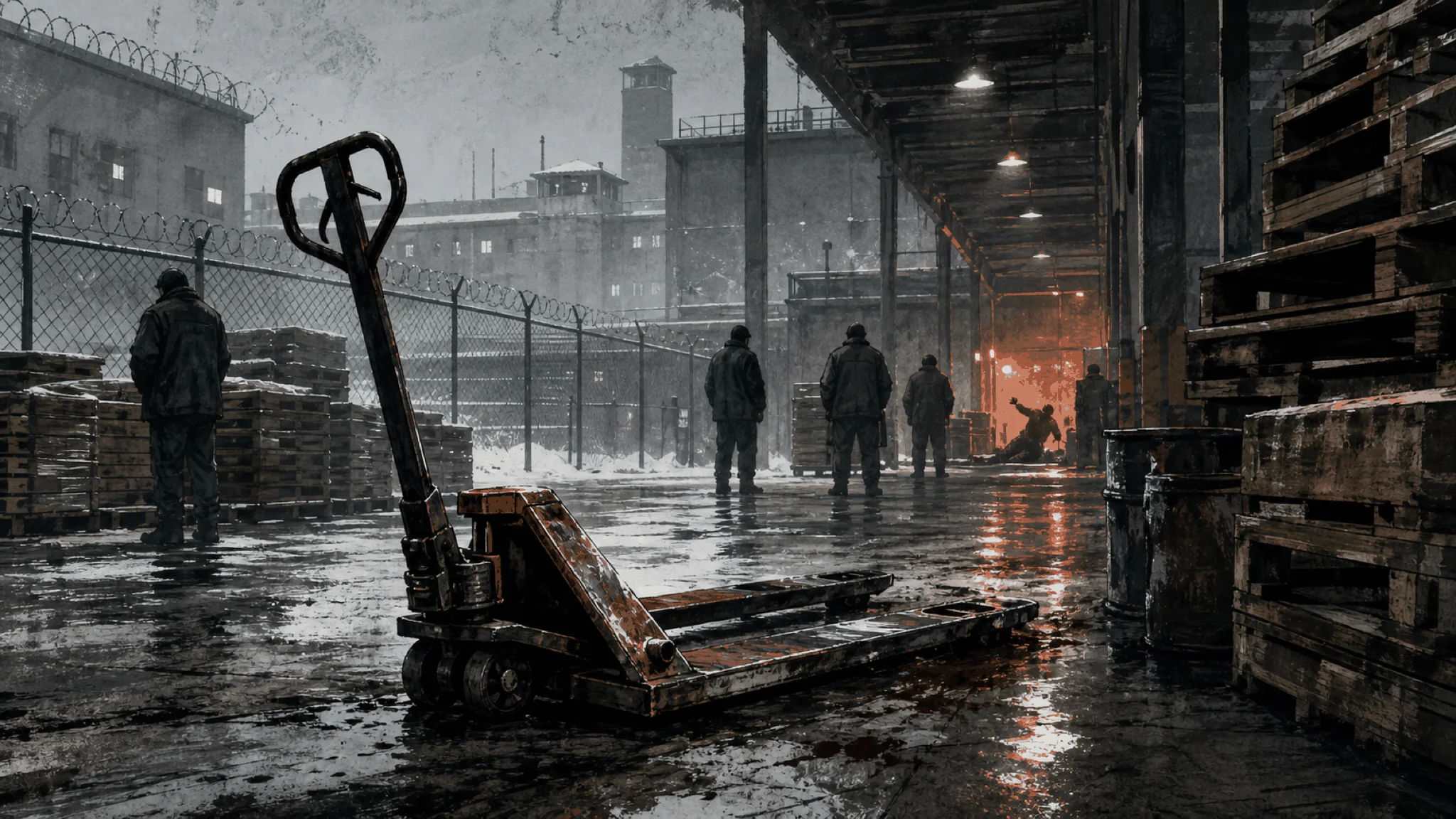
Outside on labor detail, Bunny’s people describe the work as slave labor and big business. Then a white inmate approaches, says the attack on Bunny was not sanctioned, and offers resources if Bunny is making moves to speed things up. Moments later, screaming erupts around the work site. By the time Bunny calls Mike, the path has been cleared. Bunny’s demand is simple: get Evelyn to sign the papers and send him home.
What this episode shows
Episode 6 sets every institution to a different clock. Mike experiences time as a fuse. Bunny experiences it as humiliation. The DA experiences it as political exposure. Private prison interests experience it as a contract cycle. The guards inside Anchor Bay experience it as racial control and retaliation. Nobody is operating on the same hour, so every delay becomes an insult somewhere else.
That mismatch is why the episode’s violence reads less like eruption than accounting. Mike tried to buy calm with promises. Bunny tried to pay for release with control inside. Robert and the tactical team are now learning that the state can use them, praise them, and prepare to charge them in the same breath. Jacob’s small plea to Mariam sits beside all of this as the quietest indictment: a teenager is expected to stay clean in a place where survival may require choosing a gang before someone chooses him.
Verdict
Patience is the only resource nobody in Kingstown can afford, and Episode 6 makes that scarcity the spine of the hour. Less visually explosive than the riot episodes, the chapter trades smoke for arithmetic, walking the audience through the economies that keep the crisis alive. The negotiation scenes carry the weight: Mike with Warwick, Robert with the heart-attack letter, Davidson at home, Bunny in the visiting room, Evelyn at the restaurant. Each exchange narrows Mike’s options until his skill set looks less like power than practiced damage control.
The hour does occasionally stack its sociology heavily, especially when characters name prison labor and big business in close succession. The repetition fits the season’s claustrophobia even so. By the final phone call, Bunny has done what Mike asked, and also shown Mike why he should have feared the ask.
Rating: 8.2/10
More episodes from Mayor of Kingstown — Season 2 — The prison-town drama widens — Mike McLusky after the riot. Jump to any episode in the season:
Where to go next
Reviewed by Mira Vance · QuizFandom Editor & Lead Reviewer. Every rating is an honest per-watch assessment from the desk that also writes the quizzes — not a press release rehash.